
Nuestro sitio web utiliza cookies para mejorar y personalizar su experiencia y para mostrar anuncios (si los hay). Nuestro sitio web también puede incluir cookies de terceros como Google Adsense, Google Analytics o YouTube. Al utilizar el sitio web, usted acepta el uso de cookies. Hemos actualizado nuestra Política de Privacidad. Haga clic en el botón para consultar nuestra Política de Privacidad.

Ciencia y Tecnología

OpenAI's Sam Altman sees AI bubble forming as industry spending surges

Sam Altman (OpenAI) highlights growing AI bubble due to increased industry spending

Artificial intelligence has become one of the most talked-about technologies of the decade, drawing unprecedented attention from investors, governments, and corporations. Yet, as enthusiasm grows, OpenAI’s chief executive Sam Altman has cautioned that the sector may be heading toward what he describes as a bubble. His comments arrive at a time when billions of dollars are flowing into research, infrastructure, and startups, raising both opportunities and concerns about the sustainability of this rapid expansion.According to Altman, the vast volume of financial investments in artificial intelligence reflects historical trends of speculative overinvestment. Although he recognizes the technology's transformative potential, he also…
Leer más
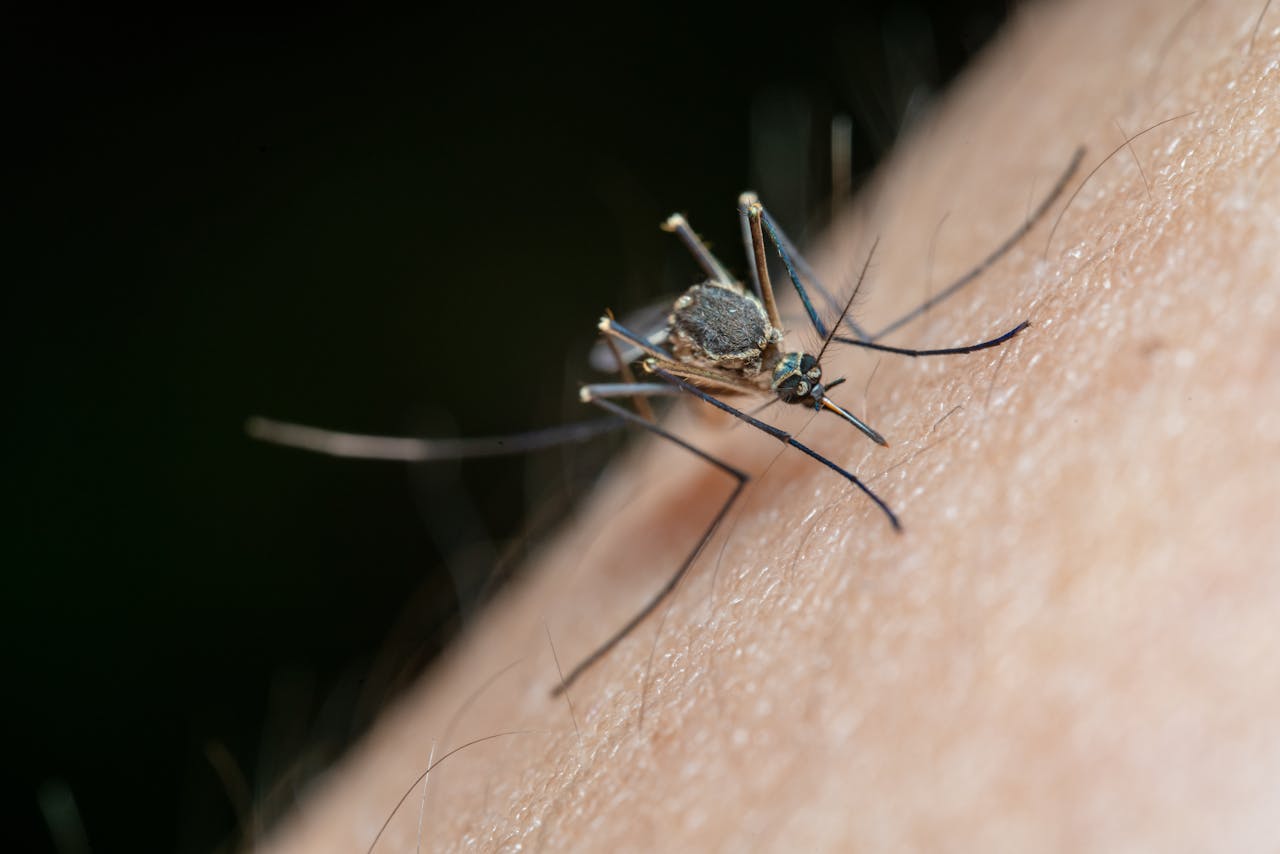
Las Vegas' growing mosquito problem is 'a ticking time bomb'

Las Vegas’ growing mosquito problem: a looming disaster

In recent years, Las Vegas has become known not only for its entertainment, casinos, and rapid urban expansion, but also for a less glamorous issue that is steadily growing: the rise in mosquito populations. What was once considered a minor nuisance in the desert climate has transformed into a larger public health concern, driven by environmental changes, urban development, and shifts in weather patterns that make the region more hospitable to these insects.The presence of mosquitoes in desert cities may sound counterintuitive. Las Vegas is located in the Mojave Desert, an area characterized by hot, dry conditions and scarce rainfall.…
Leer más
I tried to find out if the fossil I bought online was real. Then I realized I was asking the wrong question

Searching for proof: Was my online fossil real, or was I missing the point?

The journey began with a simple question: Was the fossil I purchased online authentic? This inquiry led me down a rabbit hole of scientific journals, geological databases, and expert forums. I quickly learned that the world of paleontology is filled with complex verification processes, and the digital marketplace is rife with fakes. My initial search was a practical one, a desire to confirm the value of my purchase. However, as I delved deeper, the nature of my question shifted. I realized that the true value of the object was not in its authenticity but in the story it told, whether…
Leer más
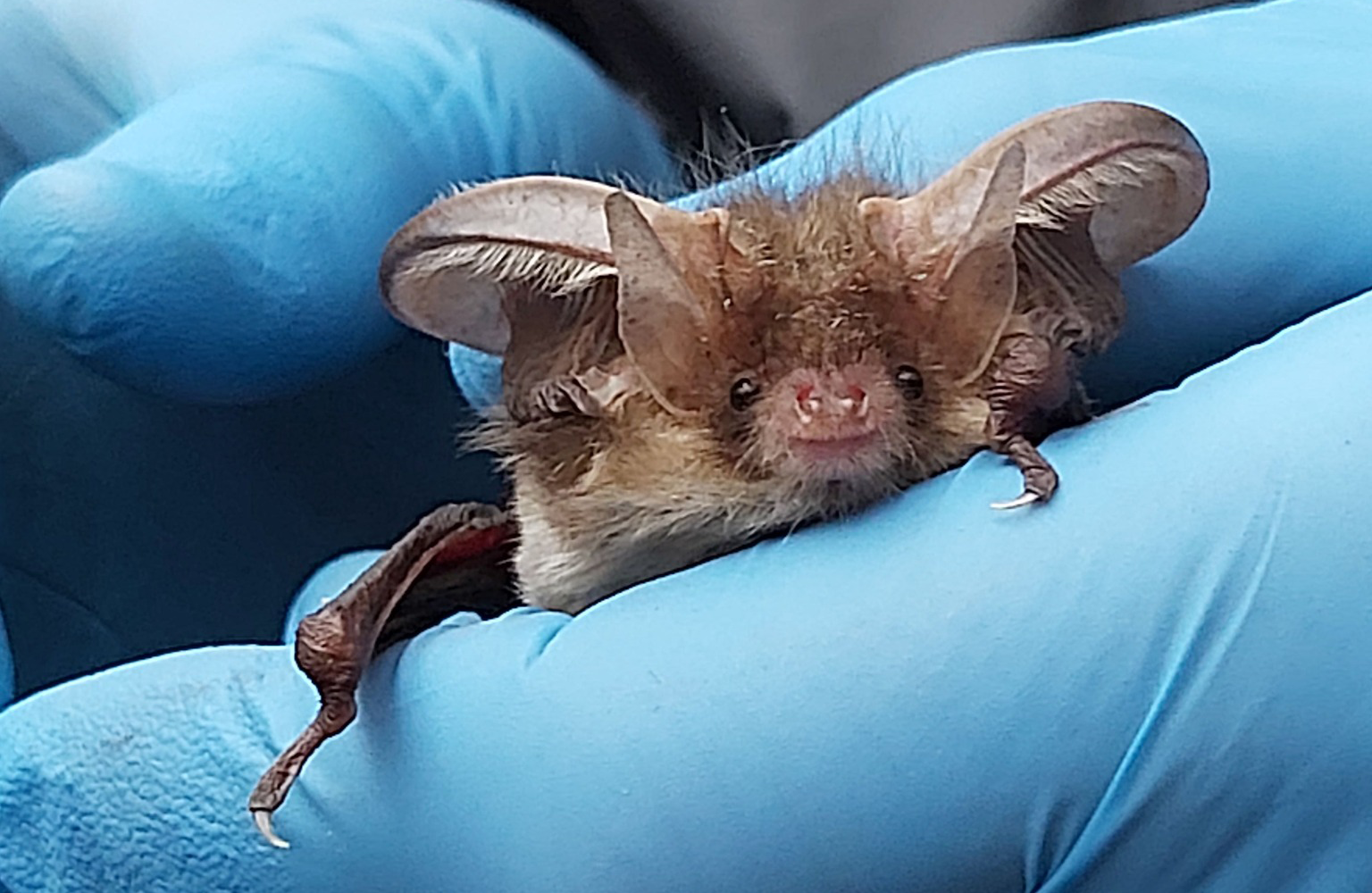
Mexico’s bat man on saving the ‘most unfairly treated animals on Earth’

Mexico’s bat man on protecting the world’s most misunderstood animals

In the thick jungles and ancient caves of Mexico, a silent transformation is taking place, driven by a man with a mission to alter the public's view of one of the globe's most misunderstood animals: the bat. Rodrigo Medellín, a distinguished ecologist and conservationist, has devoted his life to safeguarding these nocturnal creatures. His fervent advocacy has earned him the endearing nickname "Mexico's Bat Man." Through his steadfast efforts, he is demonstrating that these creatures are not symbols of fear but vital components of their ecosystems, crucial for everything from farming to the health of entire woodlands. His initiative is…
Leer más
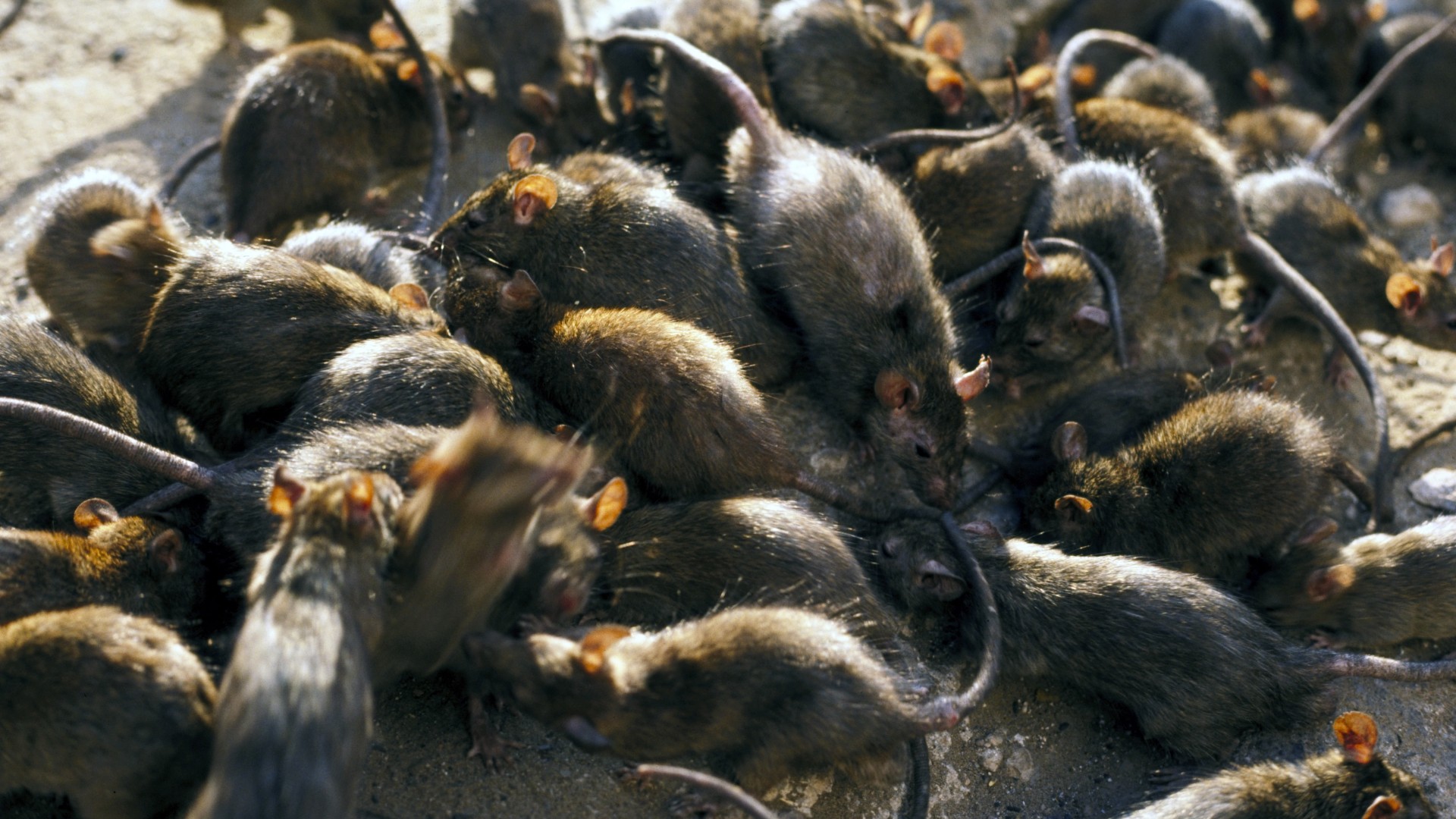
A plague mysteriously spread from Europe into Asia 4,000 years ago. Scientists now think they may know how

How a mysterious plague traveled from Europe to Asia 4,000 years ago, according to scientists

Historians and scientists have long been puzzled by the movement of a devastating plague that spread from Europe into Asia around four millennia ago. This ancient disease, now known to be an early form of the bacterium Yersinia pestis, has remained a prominent scientific enigma. The question of how a pathogen could traverse such vast distances in an era of limited transportation has been a major point of inquiry. However, recent scientific breakthroughs in the field of paleogenetics are now offering a compelling new theory that may finally explain this remarkable spread.This novel theory indicates that the dissemination of the…
Leer más