
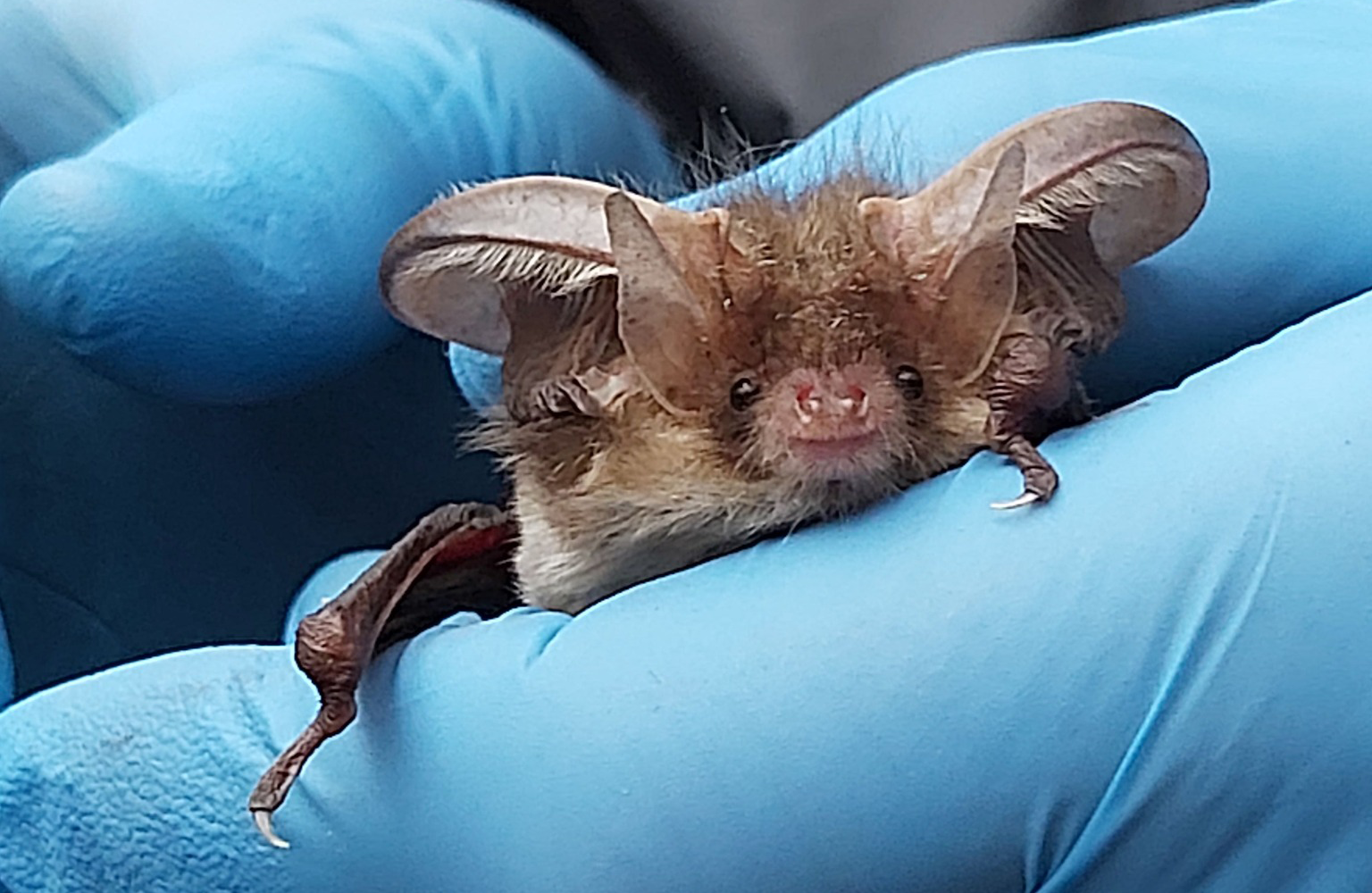


In the thick jungles and ancient caves of Mexico, a silent transformation is taking place, driven by a man with a mission to alter the public’s view of one of the globe’s most misunderstood animals: the bat. Rodrigo Medellín, a distinguished ecologist and conservationist, has devoted his life to safeguarding these nocturnal creatures. His fervent advocacy has earned him the endearing nickname «Mexico’s Bat Man.» Through his steadfast efforts, he is demonstrating that these creatures are not symbols of fear but vital components of their ecosystems, crucial for everything from farming to the health of entire woodlands. His initiative is a compelling tale of science, conservation, and the human attempt to preserve what he considers the «most unjustly treated animals on Earth.»
Medellín’s journey began with a childhood fascination with nature that grew into a lifelong commitment. He witnessed firsthand the widespread fear and misinformation that surrounded bats in his native Mexico. Farmers and communities often targeted them as pests, driven by old superstitions and a lack of understanding. He realized that to save the bats, he first had to save their reputation. This mission became a central part of his work, leading him to engage in a multi-pronged approach that combines rigorous scientific research with creative and engaging public outreach.
His scientific contributions have been immense. Through decades of fieldwork, he has meticulously documented the ecological roles of bats, particularly their function as pollinators and seed dispersers. He has shown how the long-nosed bat, for instance, is the sole pollinator of the agave plant, the source of tequila. Without these bats, Mexico’s iconic drink would not exist. This direct link between a beloved cultural product and a maligned animal has become one of his most powerful arguments. He has presented his research to governments, corporations, and communities, building a strong, evidence-based case for bat protection.
But Medellín’s true genius lies in his ability to communicate his findings to the public. He understands that a scientific paper, no matter how groundbreaking, will not change the minds of a farmer who believes bats are destroying his crops. To bridge this gap, he has used everything from educational programs in schools to documentaries and public lectures. His charismatic and compelling style has made him a television personality and a beloved figure across Mexico and beyond. He has made the science of bat conservation accessible and exciting, transforming a once-taboo subject into a topic of national pride.
One of his most successful initiatives has centered on debunking the misconception that bats are dangerous rabies carriers. He has illustrated that although some bats can transmit the disease, most are harmless and are crucial for insect population control. He has collaborated with communities to construct bat shelters and establish safe environments for these creatures, proving that living alongside them is not only feasible but advantageous. His endeavors have substantially decreased the killing of bats in numerous areas of Mexico, as people now view them as allies instead of threats.
The conservation challenges, however, are far from over. Habitat destruction, climate change, and continued persecution still pose a major threat to bat populations. Medellín and his team are constantly working to expand their conservation efforts, using tracking technology to map migration routes and lobbying for the creation of protected reserves. His work with the long-nosed bat, in particular, has been so successful that the species has been removed from the endangered list, a testament to the power of his dedicated work. This victory has become a rallying cry for other conservation projects.
The tale of «Mexico’s Bat Man» is a strong reminder of the significance of conserving individual species. By concentrating on bats, Medellín has not only safeguarded these animals but also emphasized the complex network of life that supports whole ecosystems. His efforts act as a source of motivation for conservationists globally, demonstrating that dedication, perseverance, and the courage to question established ideas can bring about significant transformation. His legacy will be assessed not merely by the number of bats he has rescued, but by the numerous minds he has enlightened to the marvel and value of the natural environment.