


As the global fashion industry expands its footprint across emerging markets, India has increasingly become a focal point for Western brands seeking growth beyond saturated territories. With its rapidly expanding middle class, youthful demographics, and digital connectivity, India presents a wealth of opportunity for retailers looking to tap into a consumer base eager for new experiences and global trends. However, while the potential rewards are considerable, entering India’s complex cultural landscape requires more than just a savvy marketing campaign or a popular product line—it demands sensitivity, adaptability, and a deep understanding of local identity.
India’s fashion scene has undergone a remarkable transformation in recent years. Homegrown designers have gained international recognition, consumers are more style-conscious than ever, and e-commerce has made high-end fashion accessible across urban and semi-urban centers alike. Western brands—from luxury labels to fast-fashion giants—are increasingly drawn to this vibrant market. But despite the enthusiasm, success is far from guaranteed.
One persistent problem encountered by global fashion brands in India is the difficulty of aligning with the local culture. Indian customers, while receptive to international trends, are also firmly grounded in traditions that drive their expectations and principles. A company that does not successfully manage this balance could risk losing its audience and facing negative reactions.
Several organizations have experienced this difficultly. Initiatives that accidentally ignore spiritual sensitivities, misapply cultural icons, or neglect social subtleties have faced backlash and even calls for customer withdrawal. The Indian audience, increasingly outspoken on social platforms, rapidly holds international brands answerable for cultural oversights. A misguided promotion, an unsuitable product title, or insufficient local presence in marketing can dismantle years of successful brand-enhancing endeavors.
For Western brands, this means that entry into the Indian market requires more than just localization—it demands genuine cultural fluency. Understanding the country’s diversity is key. India is not a monolith; it is a mosaic of languages, religions, customs, and regional styles. What resonates in Mumbai may fall flat in Kolkata, and a trend that takes off in Bengaluru might be irrelevant in Lucknow.
Collaborating with local talent can be one effective way to bridge this cultural gap. Indian designers, marketers, and cultural consultants bring invaluable insight into how to adapt global products for local preferences without diluting the brand’s identity. Successful campaigns often arise from partnerships that celebrate Indian heritage while aligning with international aesthetics.
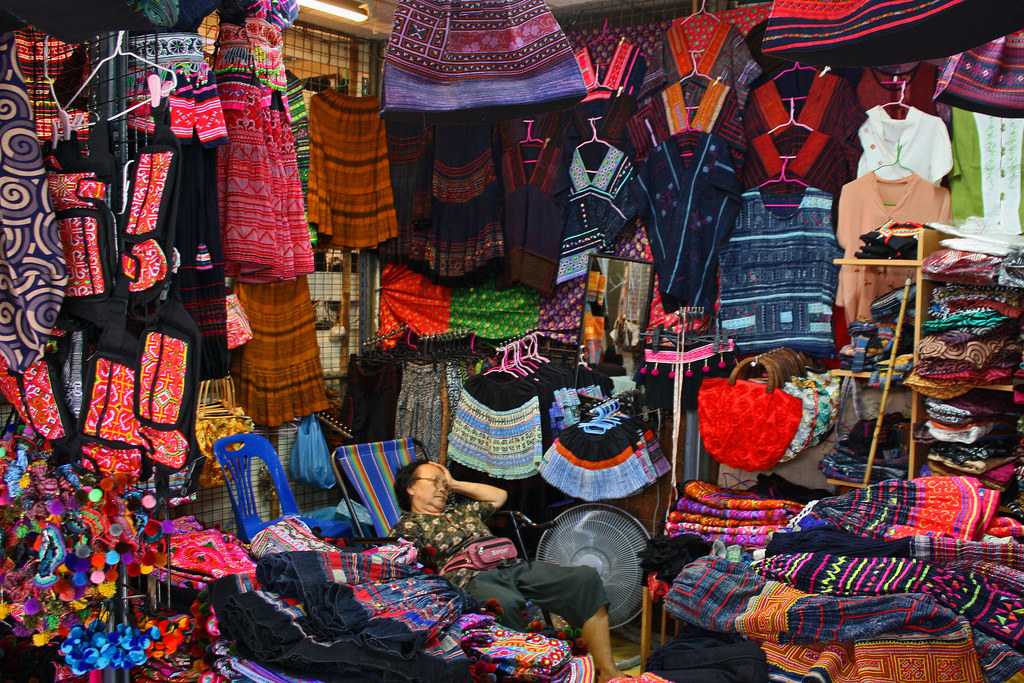
Consider, for instance, the growing popularity of «fusion fashion,» which combines Western designs with traditional Indian materials and patterns. Numerous Indian consumers value it when brands sincerely endeavor to respect their cultural expressions instead of appropriating them. Integrating elements such as handloom textiles, regional embroidery techniques, or color schemes inspired by local traditions can contribute to crafting collections that appear meaningful and considerate.
Nonetheless, genuineness should extend beyond just visual components. Cultural participation must be integrated throughout all phases—ranging from crafting products to shaping marketing plans. This means making sure that communications are all-encompassing, capturing the complete range of Indian identities across race, gender, body shape, and regional variation. Inclusion is important, particularly in a society where marginalized communities are increasingly calling for recognition.
Pricing is another critical consideration. While India has a growing base of affluent consumers, affordability remains a key concern for the vast majority. Western fashion brands often struggle to find the right balance between maintaining a premium brand image and offering accessible pricing. Missteps in this area can result in being perceived as out of touch with the market’s realities.
Moreover, India’s increasing focus on sustainability is influencing consumer decisions. For a long time, traditional Indian principles have included practices like reuse, repair, and mindful consumption. Companies that advocate for environmentally sustainable methods, responsible sourcing, and fair labor standards are expected to appeal more to Indian shoppers, especially the younger demographic that is both ambitious and socially conscious.
The legal framework also requires careful consideration. India’s rules for retail, taxes on imports, and intricate supply chain systems can be challenging for those new to the market. A thoughtful strategy frequently includes collaborating with regional distributors or creating joint ventures to maneuver through the business environment more efficiently. Companies that enter with a focus on long-term goals and a commitment to learning about local ecosystems usually achieve greater success than those seeking immediate gains.
Interacting digitally is crucial for connecting with consumers in India. The nation boasts one of the highest rates of smartphone usage and social media activity globally. Collaborating with influencers, creating campaigns that are region-specific, and producing content in multiple languages can greatly boost a brand’s prominence and importance. Nevertheless, online fame can have dual effects—any cultural blunder may quickly circulate and harm a brand’s reputation.
In conclusion, India presents significant opportunities for Western fashion companies ready to put in the effort. It goes beyond merely selling apparel or accessories; it’s about creating a connection with customers who value their cultural heritage and want brands to honor and mirror that pride. Success comes to those who dedicate time and resources to understand, resonate with, and grow alongside their audience.
For the global fashion industry, India is not simply another emerging market. It is a dynamic cultural powerhouse, capable of influencing international trends while remaining deeply anchored in its roots. Brands that recognize this complexity and embrace it with humility and creativity will be best positioned to thrive in this promising but demanding environment.
As India ascends in the international fashion scene, the message to global brands is evident: there are numerous opportunities, yet responsibilities come hand in hand. Understanding cultural nuances is not just an option—it is crucial.