
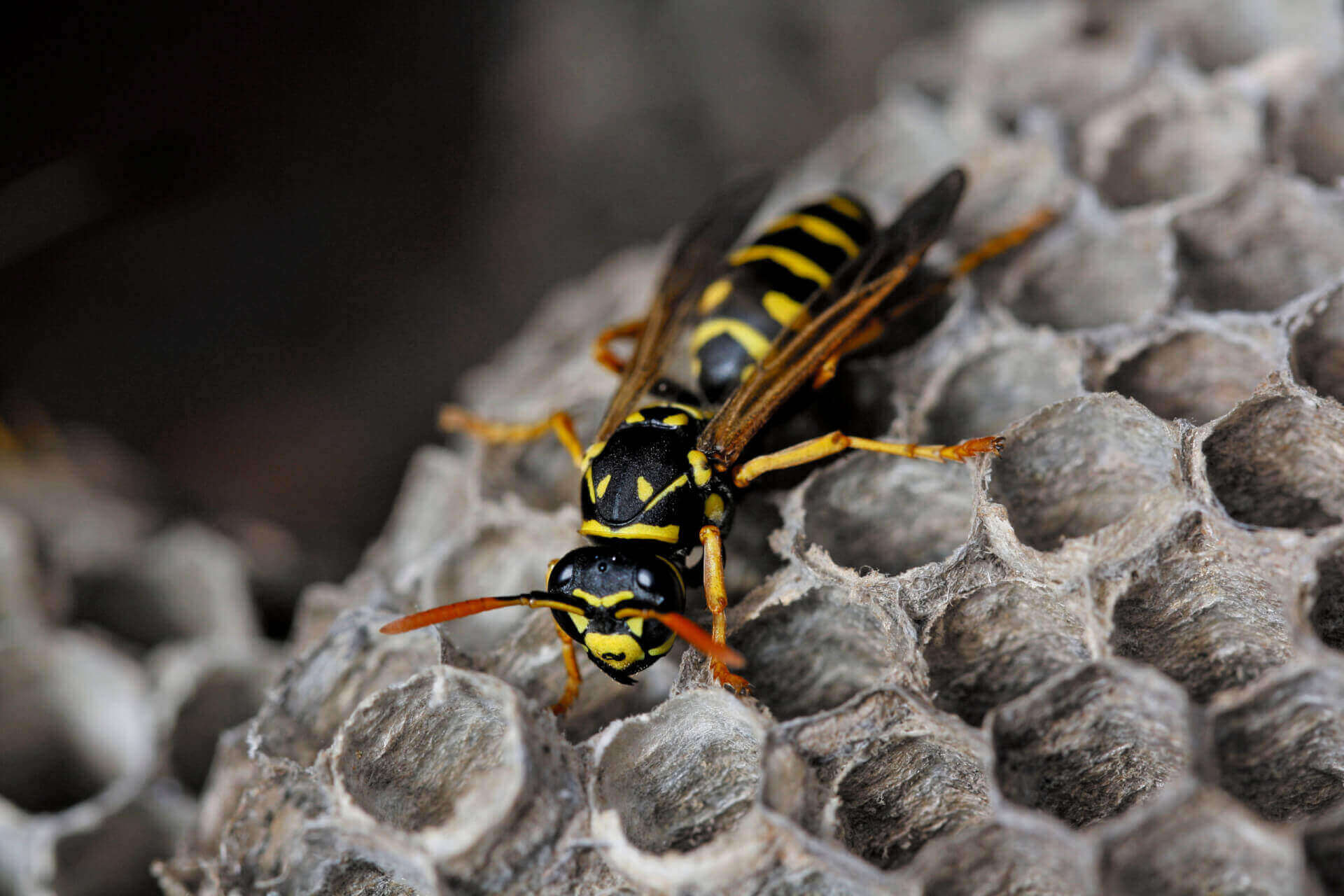


While most people instinctively swat at or flee from wasps, a growing number of scientists are advocating for a more nuanced understanding of these often-feared insects. Dr. Sarah Lawson, an entomologist specializing in hymenoptera, has dedicated her career to changing public perception about wasps, arguing they play crucial ecological roles that deserve our appreciation rather than our hostility.
El desagrado habitual hacia las avispas surge principalmente de experiencias personales dolorosas y su reputación de ser más agresivas en comparación con sus primas, las abejas. No obstante, la investigación del Dr. Lawson muestra que de las decenas de miles de especies de avispas, solo una pequeña parte llega a interactuar con los humanos, y aún menos representan una amenaza real. La mayoría de las avispas viven de manera solitaria, completamente inadvertidas por la gente, dedicándose a polinizar plantas y controlar poblaciones de plagas.
Ecologically, wasps serve as nature’s pest control agents. A single colony can eliminate thousands of caterpillars, flies, and other insects that damage crops and gardens. Their hunting activities help maintain balance in ecosystems and reduce the need for chemical pesticides. Some studies suggest the economic value of wasps’ pest control services may run into billions of dollars annually worldwide when considering their impact on agriculture.
Beyond their practical benefits, wasps demonstrate remarkable intelligence and social behaviors that fascinate scientists. Certain species exhibit complex communication systems, architectural skills in nest-building, and sophisticated hunting strategies. Paper wasps can recognize individual faces within their colonies, while some parasitic wasps have evolved incredibly precise methods for targeting specific host insects.
Dr. Lawson’s work involves educating the public about peaceful coexistence strategies. Simple measures like avoiding sudden movements near wasps, not wearing strong perfumes outdoors, and properly sealing food containers can prevent most negative encounters. She emphasizes that wasps only become defensive when they perceive threats to their nests, unlike bees that may sting to protect food sources.
The conservation aspect constitutes another essential element of Dr. Lawson’s message. Similar to numerous insect species, wasps are endangered by habitat destruction, climate alterations, and the application of pesticides. A number of species have vanished without researchers having the opportunity to thoroughly examine them. This decline is significant because wasps hold distinct ecological roles—certain orchids, for example, depend exclusively on particular wasp species for their pollination.
Educational programs spearheaded by Dr. Lawson and team are designed to assist individuals in recognizing various wasp species and comprehending their behaviors. Although it’s not advisable to welcome yellowjackets at a picnic, acquiring the ability to identify and value the less aggressive species is a significant move towards ecological understanding. Initiatives in citizen science now motivate individuals to record wasp observations, supplying important information about their distribution and population patterns.
The emotional side of conquering fear of wasps offers a fascinating part of this study. Dr. Lawson’s group discovered that learning basic facts about wasp biology and patterns can greatly lessen fear reactions in the majority of individuals. Their educational initiatives incorporate safe observation chances, enabling participants to see wasps’ complex actions up close, all without danger.
From an evolutionary viewpoint, wasps are considered a remarkable success story in nature. They have been around for more than 200 million years, adapting to almost every land-based environment across the globe. Their evolutionary breakthroughs involve establishing social communities, unique hunting strategies, and symbiotic connections with numerous plants and other living things.
The scientific community continues making new discoveries about wasp biology that could benefit humanity. Wasp venom shows promise for medical applications, including cancer treatment research. Certain parasitic wasp species are being studied as potential biological controls for invasive pests, offering environmentally friendly alternatives to chemical pesticides.
Altering deeply rooted social attitudes towards wasps continues to be difficult, yet Dr. Lawson is hopeful. She highlights comparable changes in how people today perceive predators such as wolves and sharks—previously feared by all, now progressively acknowledged as crucial parts of ecosystems that deserve safeguarding. With ongoing education and awareness, she is convinced that wasps can experience a similar change in perception.
Practical steps for coexisting with wasps include learning to identify nest sites early in the season when colonies are small, understanding that wasps become less aggressive in late summer as their life cycle winds down, and recognizing that most «wasp» sightings are actually harmless lookalikes like hoverflies. Professional removal remains the safest option when nests pose genuine hazards near homes.
El concepto más amplio implica valorar la biodiversidad en todas sus manifestaciones, incluso las criaturas que nos incomodan. En un mundo que enfrenta cambios ecológicos acelerados, comprender el valor de cada especie —incluida la tan criticada avispa— se vuelve cada vez más crucial. El trabajo del Dr. Lawson nos recuerda que la naturaleza rara vez encaja en categorías simples de «bueno» y «malo», y que incluso los organismos más temidos a menudo desempeñan papeles esenciales en el mantenimiento de los ecosistemas de los cuales todos dependemos.
As research continues to reveal the hidden wonders of wasp biology and ecology, the scientific community hopes public perception will gradually shift from fear to fascination. The journey toward appreciating wasps mirrors humanity’s broader challenge of learning to live in balance with nature—recognizing that even creatures that occasionally inconvenience us often contribute in ways we’re only beginning to understand.