


In a major turn of events that may profoundly affect the ongoing strife in Eastern Europe, ex-U.S. President Donald Trump has indicated that Ukraine will be provided with sophisticated air defense systems by the United States. This declaration highlights the growing role of Western nations in the struggle between Ukraine and Russia, which has intensified into one of the most notable geopolitical challenges in recent times.
The delivery of advanced air defense systems demonstrates ongoing American backing for Ukraine as it aims to protect its air territory from persistent Russian missile and drone assaults. From the onset of the hostilities, Ukraine has been subjected to relentless aerial strikes aimed at vital infrastructure, residential zones, and military sites. The demand for efficient air defense has become a top concern for Ukrainian officials, with Western countries responding through a succession of military support packages, which include cutting-edge weaponry and protective equipment.
Trump’s comments about delivering air defense systems, while not officially tied to current U.S. government policy, highlight the bipartisan consensus in Washington on supporting Ukraine’s efforts to resist Russian aggression. Over the past two years, both Republican and Democratic leaders have endorsed military assistance for Ukraine, seeing it as essential not only for Ukraine’s sovereignty but also for maintaining the balance of power in Europe.
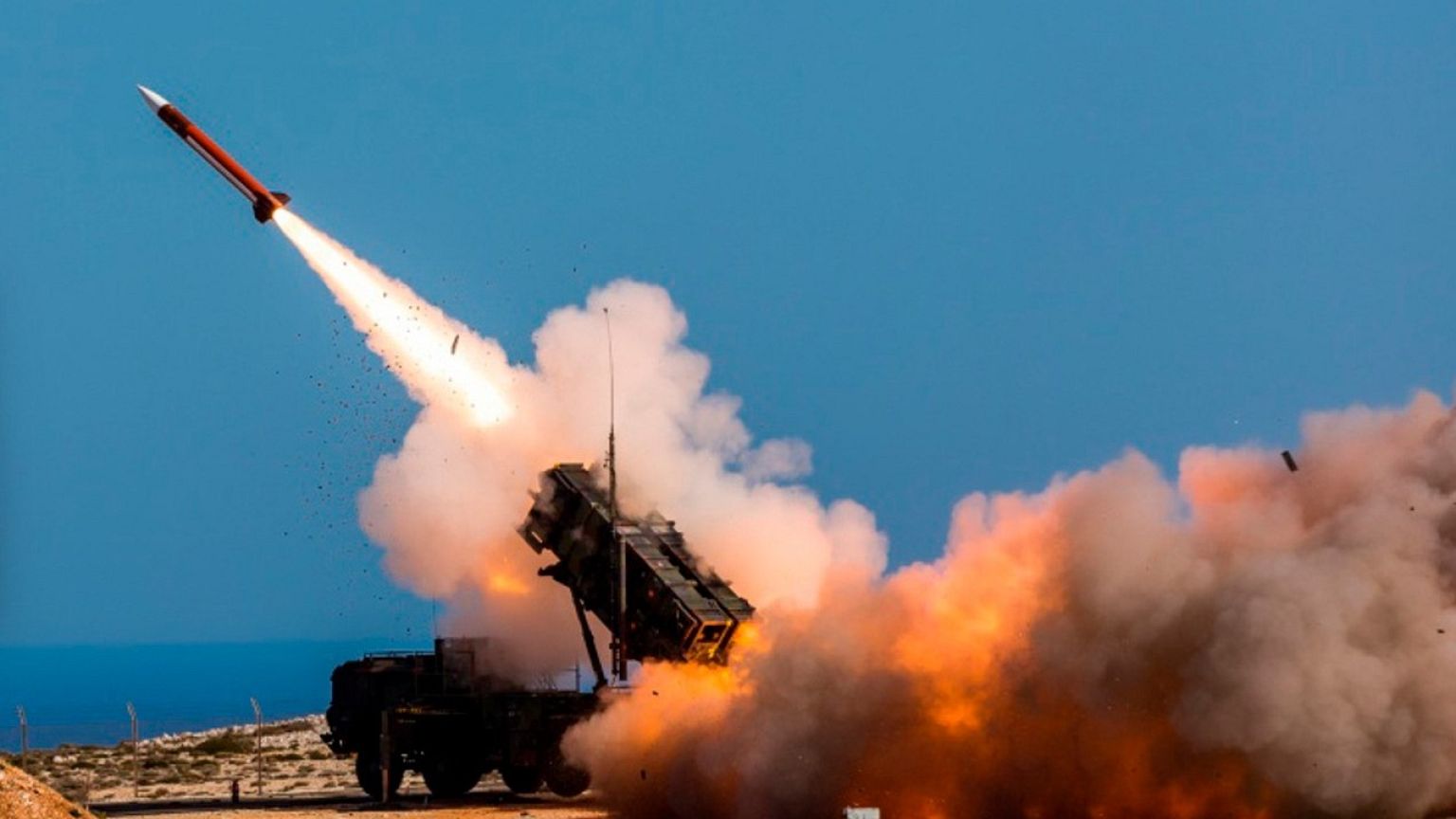
The air defense systems in question are likely to include modern missile defense platforms capable of intercepting and destroying incoming threats at varying altitudes and ranges. Systems such as the Patriot missile defense system or NASAMS (National Advanced Surface-to-Air Missile System) have been frequently discussed as potential game changers in Ukraine’s ability to protect itself from aerial attacks. These systems have been successfully deployed in other conflict zones and are known for their reliability and effectiveness in neutralizing missile threats.
For Ukraine, the arrival of such equipment could provide a much-needed boost to its defense capabilities, particularly in protecting urban centers, energy infrastructure, and key military assets. The ability to intercept Russian missiles could help mitigate the devastating impact of strikes that have caused widespread destruction and civilian casualties throughout the conflict.
The statements by Trump are made at a moment when the prospect of Western backing for Ukraine is under thorough examination. As the conflict extends into another year, discussions have emerged in the U.S. and Europe regarding the enduring viability of military assistance, particularly in light of internal political demands and economic difficulties. Nonetheless, most Western nations persist in reiterating their dedication to Ukraine, perceiving Russian hostility as a danger to global stability and democratic principles.
The delivery of air defense systems represents not only military support but also a symbolic gesture of solidarity. It sends a clear message to Moscow that Ukraine’s allies are willing to provide the necessary resources to ensure the country’s survival and sovereignty. It also demonstrates the ongoing importance of transatlantic cooperation in the face of authoritarian threats.
The procedure of handing over intricate defense systems, nevertheless, is accompanied by obstacles. Instructing Ukrainian troops to handle sophisticated machinery can take several months, necessitating logistical alignment, technological assistance, and strategic planning. Additionally, introducing new systems into the current Ukrainian defense setup requires meticulous management to enhance efficiency and reduce weaknesses.
There are also broader geopolitical implications to consider. Russia has repeatedly warned against the delivery of advanced Western weaponry to Ukraine, claiming it escalates the conflict and increases the risk of wider confrontation. Moscow has accused the U.S. and its NATO allies of using Ukraine as a proxy to weaken Russia, a narrative that continues to fuel tensions between East and West.
However, leaders from the West, such as Trump, have contended that not backing Ukraine might give authoritarian governments around the world increased confidence, creating a perilous standard for global interactions. With the U.S. supplying air defense technologies, it not only bolsters Ukraine’s current defensive capabilities but also upholds the notion that independent nations are entitled to protect themselves from unjustified attacks.
The current conflict has significantly altered worldwide security relations, resulting in NATO fortifying its eastern front and escalating defense budgets throughout Europe. Nations like Finland and Sweden, traditionally neutral, are moving towards stronger collaboration with NATO due to Russia’s incursion into Ukraine. Offering sophisticated defensive mechanisms to Ukraine is viewed as part of a wider strategic adjustment that surpasses the ongoing confrontation.
For the Ukrainian population, the assurance of improved air defenses brings a glimmer of hope in the face of adversity. The unyielding assaults on civilian zones have exacted a severe toll on communities, uprooting millions and causing extensive destruction. Robust protection against air threats could alleviate the humanitarian emergency by thwarting strikes on homes, educational facilities, medical centers, and other non-military structures.
The humanitarian aspect of military assistance should not be overlooked. While weapons and defense systems are essential for Ukraine’s security, parallel efforts are needed to provide humanitarian aid, rebuild infrastructure, and support the millions affected by the war. The international community faces the dual challenge of assisting Ukraine militarily while also addressing the human cost of the conflict.
In the United States, Trump’s comments may also influence domestic political discourse surrounding the war. As a prominent political figure with influence over a significant segment of the electorate, his views on military aid to Ukraine can shape public opinion and impact future policy decisions. The bipartisan nature of support for Ukraine has thus far helped maintain continuity in U.S. assistance, but political dynamics could shift as the conflict continues.
The economic aspect is another crucial factor. Assistance packages for Ukraine, such as the possible supply of air defense equipment, demand significant funding. Discussions on military expenditures, budgetary discipline, and international policy preferences are expected to become more intense, especially as global economic challenges grow. Keeping aid allocation transparent and accountable will be vital for sustaining public backing.
In the future, air defense will continue to play a crucial role in Ukraine’s overall military strategy. Although a single system alone cannot ensure full protection from the wide variety of threats presented by Russian forces, a coordinated air defense system can greatly bolster Ukraine’s strength. Defending against missiles, drones, and aircraft is vital for maintaining territorial sovereignty and safeguarding the civilian population.
As Ukraine persists in its quest for global backing, its alliances are extending beyond the United States. Nations in Europe, Japan, Canada, and additional countries have aided Ukraine in both defense and humanitarian needs. This joint endeavor highlights the worldwide implications of the conflict and the mutual interest in supporting international norms and legal standards.
Delivery plans for U.S. air defense systems to Ukraine, as mentioned in Trump’s declaration, mark a significant development in the ongoing mission to aid a beleaguered nation. This move signifies the resolve of Ukraine’s supporters to provide not just verbal support but practical defensive resources. Despite existing obstacles such as operational readiness, international tensions, and budgetary constraints, the dedication to Ukraine’s security delivers a strong statement regarding the steadfast principles of liberty, autonomy, and global collaboration. As events progress, the global community will continue to monitor closely, understanding that the resolution of this conflict holds major consequences for worldwide stability and the future of democratic nations.