
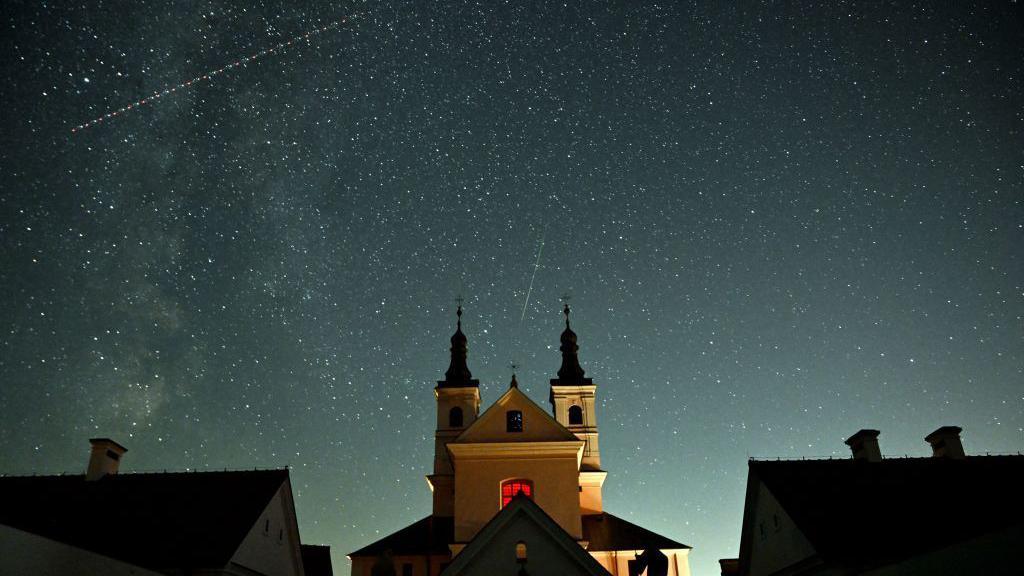


Every summer, the Earth drifts through a celestial dust cloud, setting off a much-anticipated event for those who enjoy observing the night sky. This occurrence, called the Perseid meteor shower, is an annual show that attracts both hobbyist astronomers and curious onlookers. Its dependable timing and the generally favorable weather during its peak period create a perfect opportunity for families, experienced star-watchers, and anyone interested in observing some of the universe’s magic.
The Perseids’ beginnings are linked to the Swift-Tuttle Comet, which completes a solar orbit every 133 years. As it journeys through space, it sheds a path made of tiny rock and dust fragments. When Earth passes through this path, these minuscule cosmic bits, typically no larger than grains of sand, smash into our atmosphere at tremendous velocities. The ensuing friction causes them to heat up and shine, producing the dazzling trails of light recognized as meteors.
While the shower is active for several weeks, the most spectacular display occurs during its annual peak. This is the period when Earth is passing through the densest part of the comet’s debris trail, resulting in the highest number of meteors per hour. The timing of this peak can vary slightly from year to year, but it reliably occurs in the middle of August. For the most rewarding experience, it is essential to plan your viewing session for the night of the peak and the nights immediately surrounding it.
Successful meteor shower viewing hinges on a few key factors, with the most critical being the quality of the sky. The best viewing locations are those far from the light pollution of cities and towns, as a darker sky will make fainter meteors visible. The moon’s phase also plays a significant role; a new moon or a thin crescent moon will provide the darkest skies, maximizing the number of meteors you can see. If the moon is full or close to it, its brightness can wash out all but the brightest fireballs.
To prepare for a night of stargazing, it is recommended to find an open area with a wide view of the sky. You should bring a comfortable chair or blanket, as you will be spending a significant amount of time looking up. It is also crucial to allow your eyes to adjust to the darkness for at least 30 minutes. During this period, avoid looking at any bright lights, including your phone screen, as this will reset your night vision.
The Perseids are named after the constellation Perseus, as the meteors seem to emerge from a single location in the sky called the radiant. Although the radiant is where the meteors seem to come from, they can be seen anywhere in the sky. To maximize your opportunity to spot one, it’s recommended to gaze upwards and in a direction away from the radiant. This approach allows you to see meteors with longer and more spectacular trails as they travel across the sky.
The Perseid shower is renowned for producing a high number of bright meteors, including a significant amount of fireballs, which are exceptionally bright meteors that can cast shadows and be seen over a wide area. These brilliant flashes of light are created by larger pieces of debris from Comet Swift-Tuttle. Catching a fireball is a truly unforgettable experience, and the Perseids are known for offering some of the best opportunities to do so each year.
The study of meteor showers offers scientists a unique window into the history of our solar system. By analyzing the composition of the dust and rock particles that create meteors, researchers can learn more about the makeup of the comets they originated from and the conditions of the early solar system. This is a scientific field that relies heavily on both professional and amateur observations, making every Perseid shower a valuable event for data collection.
Ver el espectáculo de meteoros de las Perseidas es más que disfrutar de un espectáculo de luces; es una oportunidad para conectar con los ciclos cósmicos de nuestro sistema solar. La constancia del fenómeno, junto con las condiciones ideales de observación en los meses de verano, lo convierte en una excelente ocasión para aquellos interesados en la astronomía. Siguiendo unos sencillos pasos, como encontrar un cielo oscuro, dejar que tus ojos se adapten y simplemente mirar hacia arriba, puedes participar en esta tradición astronómica anual y admirar la efímera belleza de un baile cósmico.