
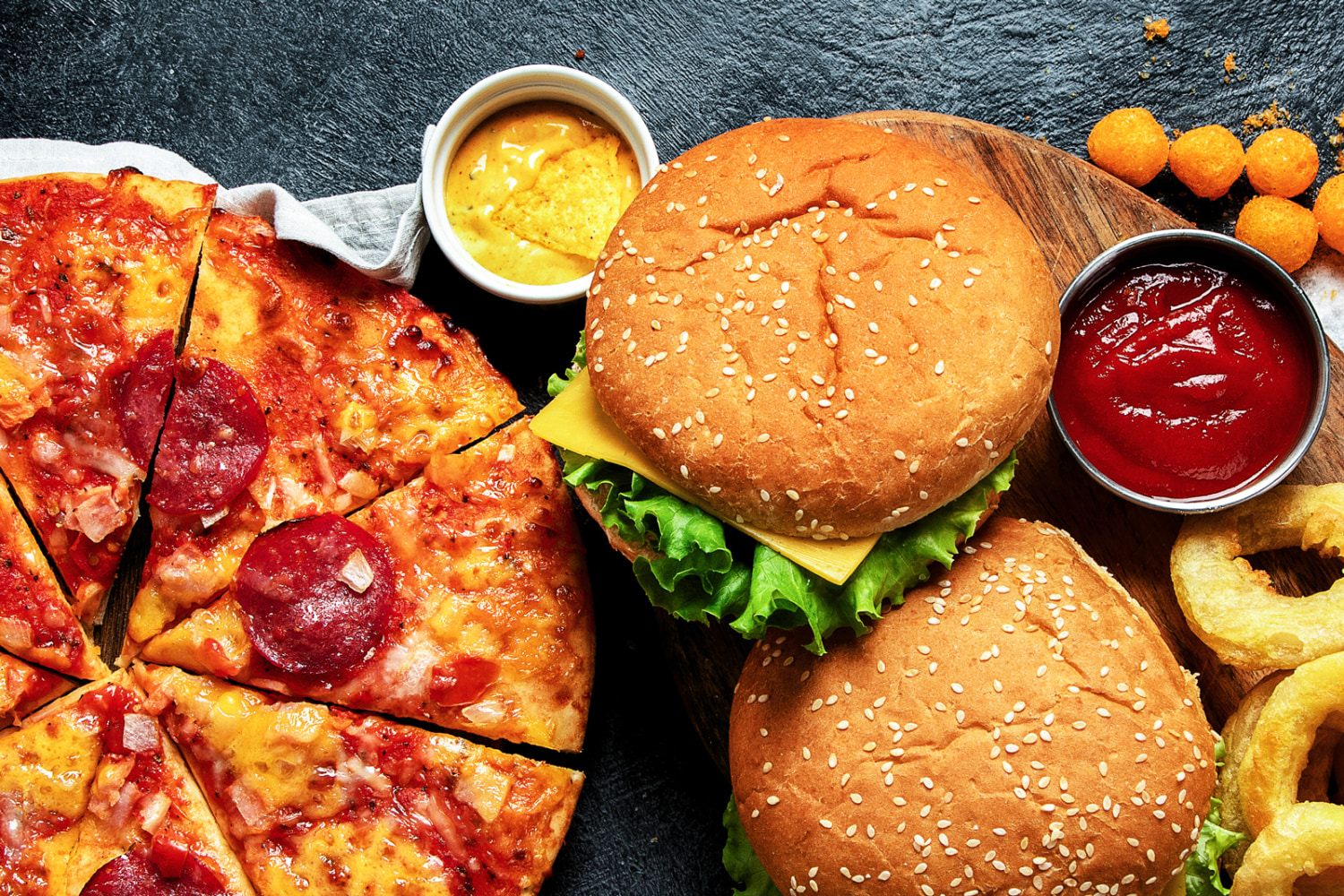


A comprehensive analysis of children’s eating patterns reveals a troubling nutritional landscape, with ultra-processed foods accounting for most of what young Americans consume daily. The research, conducted by national health authorities, examined dietary habits across various age groups and found consistently high consumption of industrially manufactured food products from toddlerhood through adolescence.
The study defines ultra-processed foods as those containing multiple additives, preservatives, and artificial ingredients with minimal whole food components. These include packaged snacks, sugary cereals, fast food items, and ready-to-eat meals that undergo extensive industrial processing. Researchers found these products make up approximately 67% of total calories consumed by children ages 2-19, with percentages increasing as children grow older.
Specialists in nutrition raise alarms about these results, pointing out that frequent intake of highly processed foods is linked to several health hazards. Among these are elevated cases of obesity in children, a heightened chance of getting type 2 diabetes, and possible effects on mental development. These foods are usually high in calories but low in nutritional benefits, frequently loaded with excessive sugar, salt, and harmful fats.
Several elements influence this eating habit. Hectic family routines make quick, non-perishable choices attractive even though they lack nutritional value. Intense advertising efforts aimed at kids push these items with bright packaging and links to well-known media figures. Furthermore, numerous parents wrongly believe certain processed goods are healthy because of deceptive labels suggesting extra vitamins or low-fat content.
The research highlights particular concern for adolescent eating habits. Teenagers consume the highest proportion of ultra-processed foods, with some groups deriving up to 75% of their daily calories from these sources. This trend coincides with increased independence in food choices and greater access to pocket money for snacks and fast food.
Profesionales de la salud subrayan que consumir alimentos procesados de manera ocasional conlleva un riesgo mínimo, pero el nivel actual constituye un problema de salud pública. Proponen estrategias prácticas para familias que buscan alternativas más saludables, como preparar comidas con alimentos integrales los fines de semana, tener frutas y verduras frescas al alcance para picar, y sustituir gradualmente los productos más procesados con opciones menos refinadas.
School nutrition programs and community initiatives could play a vital role in reversing this trend by providing education and access to healthier choices. Some experts advocate for policy changes that would restrict marketing of unhealthy foods to children and improve nutrition standards for school meals.
The study’s authors stress that improving children’s diets requires systemic changes rather than individual blame. They call for collaboration between public health officials, food manufacturers, educators, and families to make nutritious, minimally processed foods more accessible, affordable, and appealing to young consumers.
As research continues to uncover the long-term effects of childhood nutrition on lifelong health, these findings underscore the importance of establishing healthy eating patterns early. While completely eliminating processed foods may be unrealistic for many families, even small reductions could yield significant health benefits for America’s youth.
The document acts as both a cautionary note and a potential – an opportunity to reassess nutritional settings and form situations that bolster instead of weaken the well-being of young ones. Through careful measures at various levels, there is a possibility to redirect eating habits toward more nutritious choices that nurture growing bodies and brains.
Upcoming studies will explore distinct health results linked to varying degrees of processed food intake during early years. Initial findings indicate that even slight decreases in the consumption of ultra-processed foods might result in noticeable enhancements in numerous health indicators. This expanding collection of evidence could guide both medical advice and public health strategies focused on enhancing children’s dietary habits.
For guardians and those providing care who are worried about these results, dietitians advise emphasizing improvement over flawless execution. Small changes, such as opting for whole grain alternatives to packaged items, making homemade variations of popular snacks, and letting kids participate in cooking can slowly transform family dietary habits toward more nutritious choices without causing tension or disagreements about meals.
The research eventually portrays a complex image of today’s childhood eating habits, illustrating the larger societal shifts in the creation of food, family interactions, and lifestyle trends. Tackling these issues will demand similarly refined strategies that consider the actual limitations that families encounter while offering practical ways to enhance nutrition for every child.