
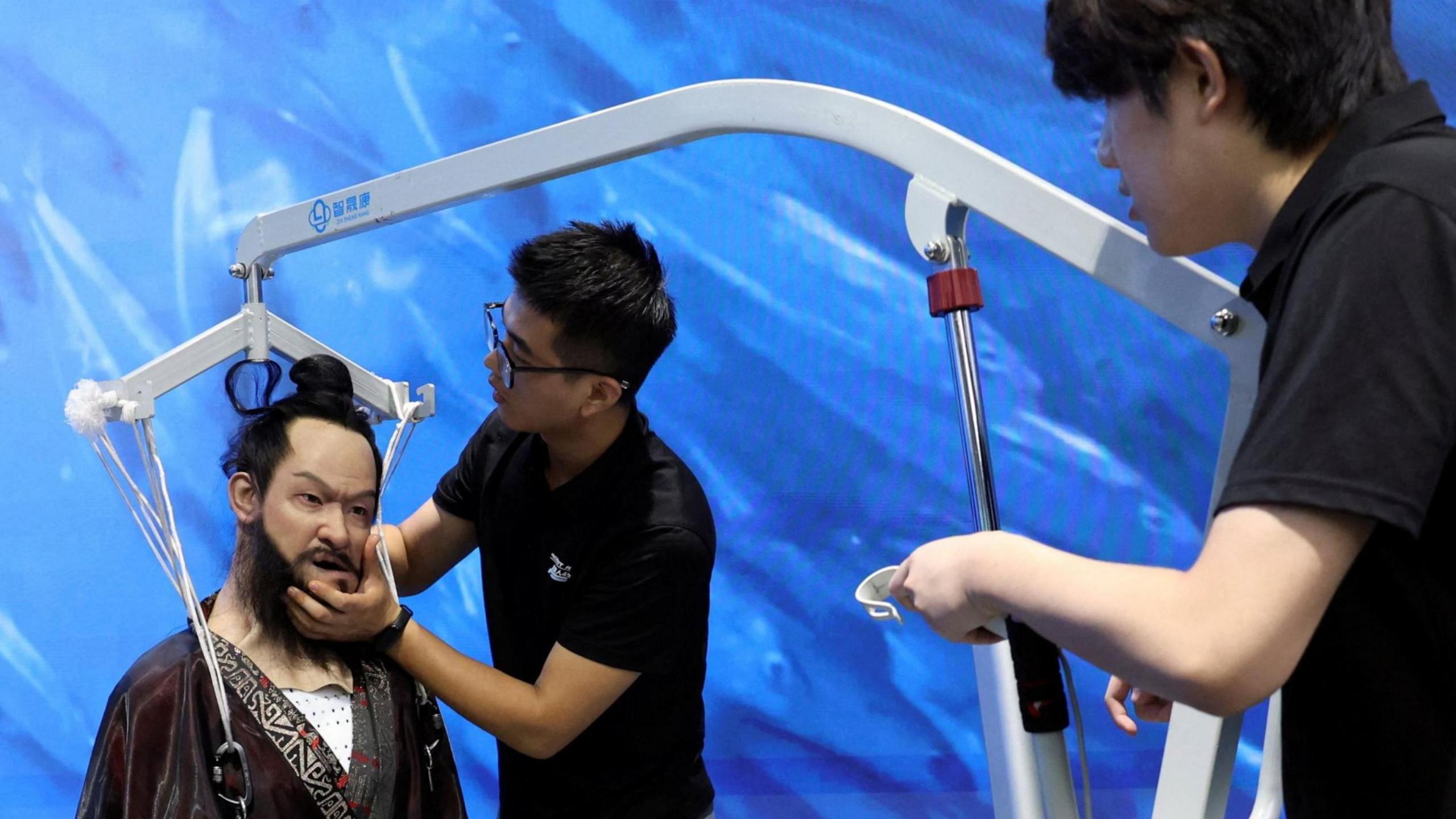


In China, an innovative retail outlet has started providing advanced humanoid robots straight to customers, representing a major advancement in the technology of personal robotics. This new shop features incredibly realistic machines designed to carry out a variety of household and social tasks, turning science fiction ideas into everyday life.
The robots represent the latest achievements in artificial intelligence, mechanical engineering, and materials science. Standing approximately human-sized, these machines feature realistic facial expressions, fluid movements, and natural speech patterns that blur the line between machine and human interaction. Customers can observe demonstrations of the robots performing household tasks, providing companionship, and even engaging in basic conversations.
Industry analysts note this commercial launch signals a major advancement in robotics accessibility. Previous generations of humanoid robots were typically limited to research institutions, manufacturing facilities, or specialized service roles. The availability of such sophisticated models directly to private buyers suggests the technology has reached a new threshold of reliability and affordability.
The robots incorporate multiple cutting-edge technologies. Advanced actuators enable smooth, human-like motion, while machine learning algorithms allow for personalized interactions that adapt to user preferences over time. High-resolution cameras and sophisticated sensors provide environmental awareness, enabling the robots to navigate homes and respond appropriately to various situations.
Pricing structures vary significantly based on functionality, with basic models starting around the cost of a luxury vehicle and premium versions reaching prices comparable to high-end sports cars. The store offers financing options and customization packages, allowing buyers to select specific skills and personality traits for their robotic companions.
Potential uses showcased at the facility cover support for elderly people, tutoring children, household tasks, and protecting homes. Certain models are designed for specific activities, such as meal preparation or tidying up, whereas others function as versatile helpers. The establishment highlights that every robot is equipped with privacy protections and is capable of working offline for tasks that require discretion.
This launch into the market comes after several years of progress in China’s robotics industry, which has thrived due to significant governmental backing and private funding. The nation’s production abilities and increasing knowledge in artificial intelligence have combined to create these highly sophisticated machines. Analysts in the field indicate that this commercial strategy seeks to speed up practical evaluations and the honing of humanoid robotics via broad consumer usage.
Ethical issues regarding human-robot interactions and possible job loss have arisen alongside technological advancements. The store tackles these issues by highlighting the role of robots as aides to human work rather than substitutes, especially for jobs that are hazardous, monotonous, or experience a lack of workforce.
International feedback regarding the development has been varied, with some specialists applauding the technological success, while others express concerns over possible societal consequences. Privacy supporters have raised doubts about data collection methods, although the producer insists that all private data is kept securely and encrypted within the robot unless specifically shared by the owner.
The retail concept includes comprehensive training programs for buyers, ensuring proper setup and maintenance of the sophisticated machines. Service packages cover regular software updates, hardware maintenance, and technical support—acknowledging that such advanced technology requires ongoing care similar to high-end automobiles.
As the store launches its activities, technology lovers and intrigued shoppers are gathering to engage with the machines. Initial feedback from customers shows a notable fascination with models designed to offer companionship to seniors and support parents with child-rearing duties. The financial success of this business might influence the speed at which humanoid robots evolve from being novelty gadgets to everyday home devices.
Este avance marca un punto de inflexión en la robótica de consumo, quizás anunciando una nueva era en la que seres artificiales avanzados formen parte de la vida cotidiana. A medida que la tecnología sigue progresando, las futuras versiones prometen capacidades aún mayores, generando preguntas profundas sobre la relación en evolución entre humanos y máquinas en entornos domésticos.
The launch of the shop aligns with the increasing worldwide fascination with personal robotics, indicating that China might be establishing itself as a front-runner in this up-and-coming market. The extent to which these realistic machines will gain broad acceptance or stay as niche items hinges on various elements, such as cost reductions, advancements in functionality, and cultural acceptance—all of which will become more evident as additional units make their way into households in the upcoming months.
For now, the retail establishment stands as a tangible manifestation of rapid progress in robotics, offering the public an unprecedented opportunity to bring cutting-edge artificial intelligence into their personal lives. The long-term societal impact of this technology remains to be seen, but its commercial availability marks a significant step toward the robot-populated future once imagined only in speculative fiction.