
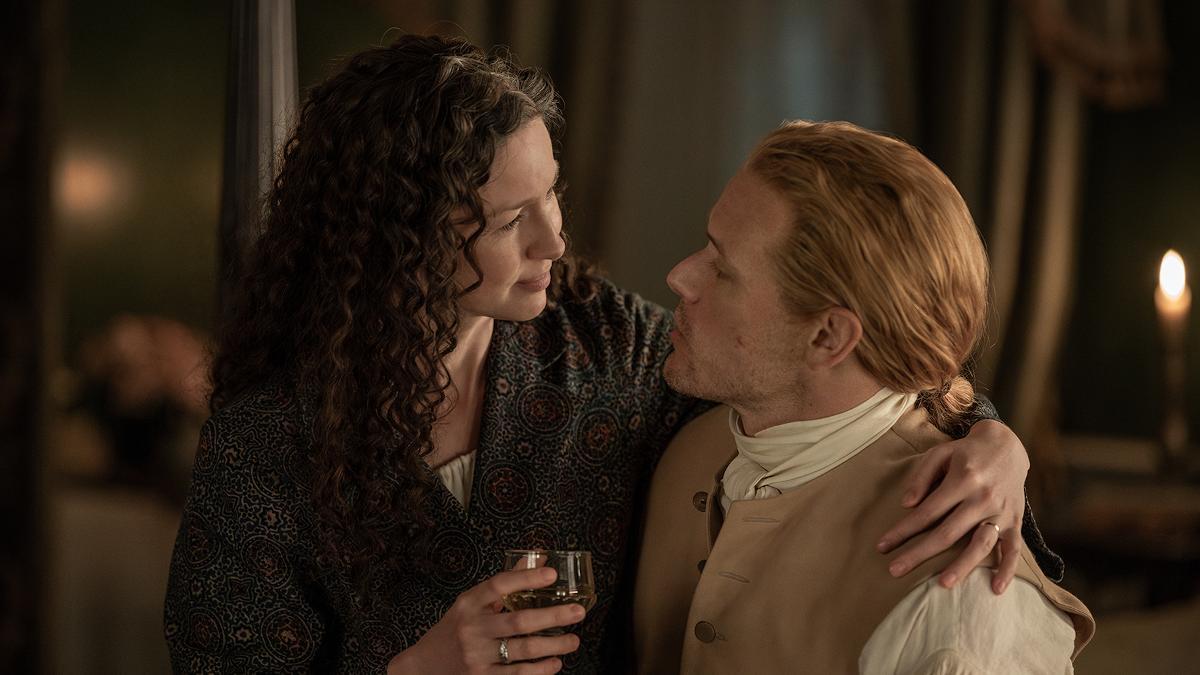


The cultural phenomenon surrounding the Outlander television series and book franchise continues to reshape travel patterns years after its debut. Based on Diana Gabaldon’s bestselling novels, the historical drama has inspired countless fans to visit filming locations across Scotland and beyond, creating an unexpected economic boon for destinations featured in the show.
Scotland has witnessed a remarkable increase in tourism directly linked to the series. The number of visitors at famous locations such as Doune Castle (representing Castle Leoch) and the Palace of Holyroodhouse has risen significantly since the show debuted. Local tour operators state that there is a steady interest in Outlander-themed experiences, ranging from guided excursions to genuine Jacobite history tours. The Scottish tourism board attributes the series for showcasing the nation’s landscapes and historical richness to new audiences across the world.
Outside of Scotland, the influence of Outlander has spread to various European spots where the series was filmed. Enthusiastic viewers frequently visit filming locations in the Czech Republic and the French castles seen in the subsequent seasons. This growing fascination has enabled smaller towns to establish long-lasting tourism industries centered on their links to Outlander. Numerous local enterprises have adjusted by providing lodging themed to the era, unique dining options, and cultural activities related to the show’s 18th-century backdrop.
Industry analysts identify several factors behind Outlander’s enduring tourism appeal. The series’ lush cinematography showcases landscapes as integral characters in the story, creating powerful visual associations for viewers. Detailed historical elements spark interest in learning about actual events and locations. Perhaps most significantly, the emotional connection fans develop with characters translates into a desire to walk in their footsteps.
Travel companies have created tailored itineraries for varying degrees of fan interest. Certain tours are dedicated solely to exploring filming sites, while others blend in comprehensive historical background concerning the Jacobite uprisings and life in the 1700s. High-end options feature accommodations in castles and exclusive entry to typically off-limits areas. Fans who cannot travel abroad are now able to join in via online tours and digital experiences.
The financial influence stretches further than just direct tourist expenditure. Numerous travelers encouraged by the show cultivate profound interests in Scottish heritage, the Gaelic tongue, customary arts, and exploring history. Local craftsmen note a rise in requests for historically accurate garments, accessories, and household products resembling those featured on television. Educational programs focused on Scottish history have experienced a rise in student numbers at universities close to where the filming takes place.
Las organizaciones dedicadas al marketing de destinos han obtenido lecciones significativas del éxito de Outlander en cuanto a cómo utilizar los medios populares. Hoy en día, muchas buscan activamente producciones de cine y televisión, reconociendo su capacidad para impulsar el turismo a largo plazo. Escocia, en particular, ha mejorado su estrategia de turismo cinematográfico, facilitando que los visitantes localicen los lugares de filmación mientras descubren experiencias locales auténticas más allá de lo visto en pantalla.
As additional seasons are produced, the impact of Outlander remains strong. The series exemplifies how compelling narratives can foster lasting bonds between viewers and places, transcending the initial success of the show. For those in the tourism industry, it acts as an example of leveraging cultural events while honoring the essence of the original content and the sites involved.
The phenomenon also highlights changing traveler priorities, with many fans seeking immersive, emotionally resonant experiences rather than traditional sightseeing. This shift has prompted the tourism industry to develop more narrative-driven offerings that appeal to visitors’ passions and interests. Outlander’s success proves that when entertainment and travel intersect effectively, the benefits can extend for years across entire regions.
In the future, the places highlighted in the series persist in discovering creative methods to connect with viewers. Unique events, historical recreations, and cultural interactions all capitalize on the initial intrigue ignited by the program. For numerous visitors, their experience inspired by Outlander serves as a door to a greater understanding of Scotland’s heritage and traditions, fostering lasting connections well beyond the final episode’s broadcast.