


Energy prices are extremely sensitive to geopolitical events. As the world becomes increasingly interconnected, conflicts between nations or within regions can cause ripple effects throughout global energy markets. This dynamic is rooted in both physical supply and psychological expectations, making prices volatile even in the absence of actual disruptions.
Fundamental Mechanisms of Influence
Geopolitical conflicts generally impact energy prices through two main channels: physical supply disruptions and market sentiment. Physical disruptions occur when conflict prevents the extraction, transportation, or export of energy commodities such as oil, natural gas, or coal. Even when direct supply is not affected, tensions can drive uncertainty, leading to speculative trading and risk premiums.
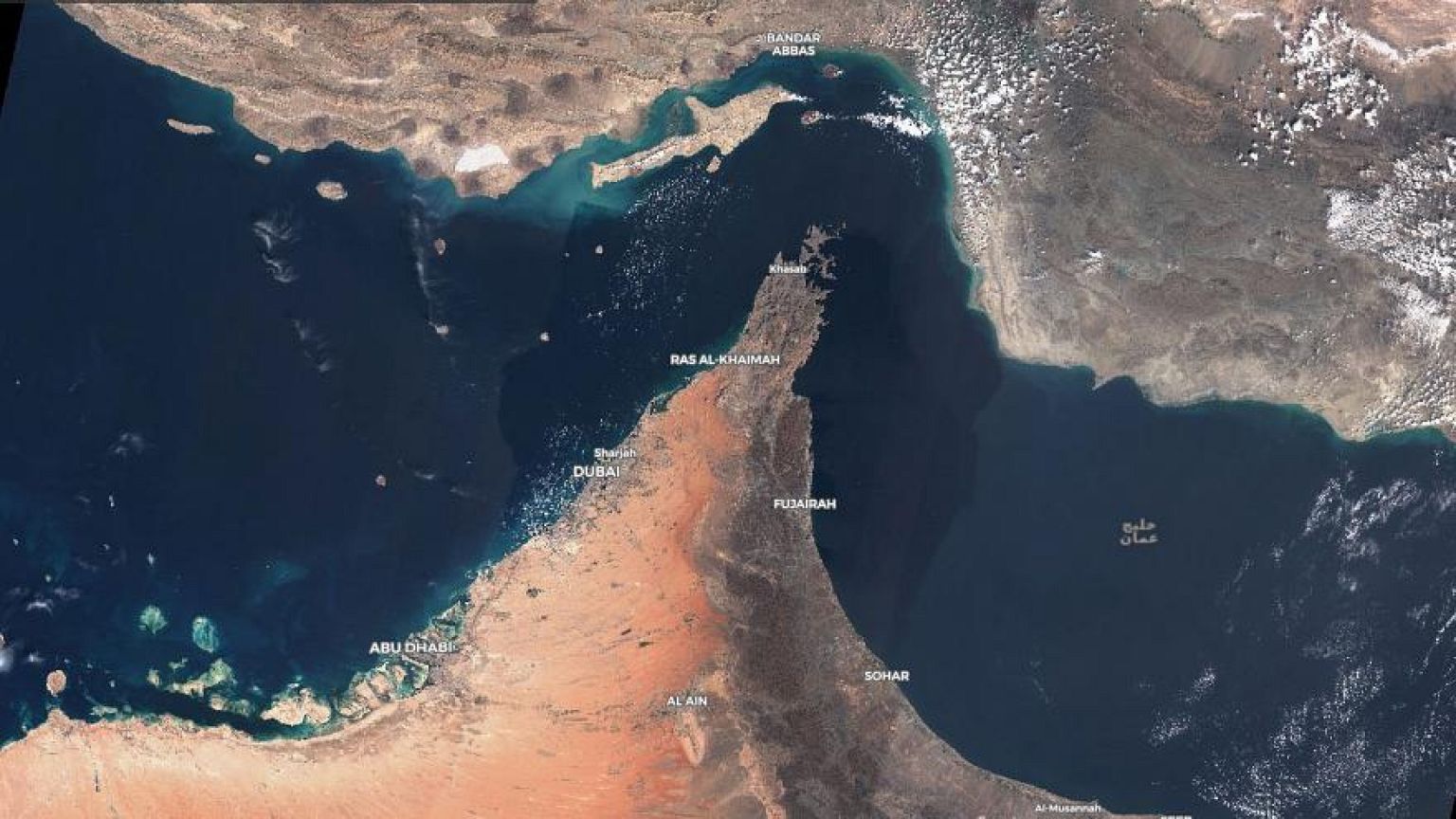
For instance, the Strait of Hormuz—a narrow maritime passage in the Persian Gulf—handles approximately 20% of the world’s oil distribution. When tensions escalate in this region, such as the U.S.-Iran clash in 2019, market participants anticipate possible interruptions or attacks on oil tankers. Prices respond quickly, even though most of the oil continues to flow without hindrance.
Historical Case Studies
The 1973 Oil Embargo: In October 1973, numerous Arab states instituted an oil embargo against countries backing Israel. This resulted in oil prices rising fourfold within a few months. Western economies faced inflation, fuel scarcities, and economic recessions. This occurrence underscored how control over energy-abundant regions could unsettle markets well beyond the direct vicinity.
Ukraine Conflict (2014 & 2022): Russia stands as a significant provider of natural gas to Europe. During both 2014 and 2022, military confrontations in Ukraine and rising tensions prompted Russia to either reduce or threaten the reduction of gas exports. European nations experienced a sharp increase in natural gas prices, compelling them to find other suppliers and enhance their LNG (liquefied natural gas) capabilities. The heightened conflict in 2022, following Russia’s invasion, intensified a worldwide energy crisis, with oil and gas prices hitting their highest in years, unsettling economies dependent on imported energy resources.
The Gulf War (1990-1991): Iraq’s attack on Kuwait brought instability to the oil market. Despite the actual disruption being brief because of the U.S.-led military intervention, uncertainty led to a price surge from around $15 per barrel to more than $35. Strategic reserves were tapped, and OPEC modified output, highlighting the often essential global cooperation during such crises.
The Impact of OPEC and Changes in Energy Markets
Additionally, producers beyond OPEC, such as the United States and Russia, modify their strategies in reaction to geopolitical shifts. For example, when turmoil arises in the Middle East, U.S. shale firms boost their production to capitalize on higher prices, even if this generally takes several months to materialize.
Psychological and Speculative Effects
Energy markets react not only to actual supply and demand but also to the anticipation of future events. Speculators, leveraging complex financial instruments such as futures and options, can amplify price swings in response to geopolitical headlines. These speculative movements can temporarily disconnect prices from physical fundamentals, contributing to further volatility.
Consider the case of the drone attacks on Saudi Aramco facilities in September 2019. The physical damage reduced Saudi oil production by half temporarily, but the psychological impact prompted an immediate 15% spike in global oil prices, the largest one-day percentage increase in decades. The situation stabilized within weeks, yet investors remained wary of future disruptions.
Economic and Social Effects
Rising energy expenses due to global geopolitical tensions affect countries differently based on their status as net importers or exporters. For countries dependent on energy imports, such as Japan and many European nations, higher energy prices reduce disposable income, increase production costs, and strain trade balances. This situation often leads to inflation, stricter policies, and potential social and political unrest, similar to what occurred during the French gilets jaunes demonstrations related to the increase in fuel taxes.
Conversely, producing nations may benefit from windfall revenues, although these gains can be offset by instability or sanctions limiting their ability to trade freely. The energy price shocks caused by conflict often prompt governments to reevaluate their strategic reserves, diversify import sources, or accelerate the transition to renewables.
Future Outlook and Adaptation Strategies
The continuous presence of geopolitical threats indicates that energy markets are unlikely to reach full stability in the near future. Countries with significant reliance on energy are pursuing diversification, focusing on both suppliers and energy types, to decrease their susceptibility. Initiatives supporting local output, strategic reserves, and the growth of renewable sources are direct results of past challenges.
Efforts to protect local economies from external disturbances include liquefied natural gas facilities, international pipelines, and strengthened energy efficiency standards. Globally, better transparency and information exchange might reduce panic-induced price surges, but the essential connection between geopolitics and energy costs will persist.
Energy prices serve as both a barometer and a catalyst during periods of geopolitical turmoil. While market mechanisms and policy responses offer some resilience, the intricate interplay between politics and energy ensures that price volatility will continue to shape decisions at all levels—from households to governments—well into the future.