
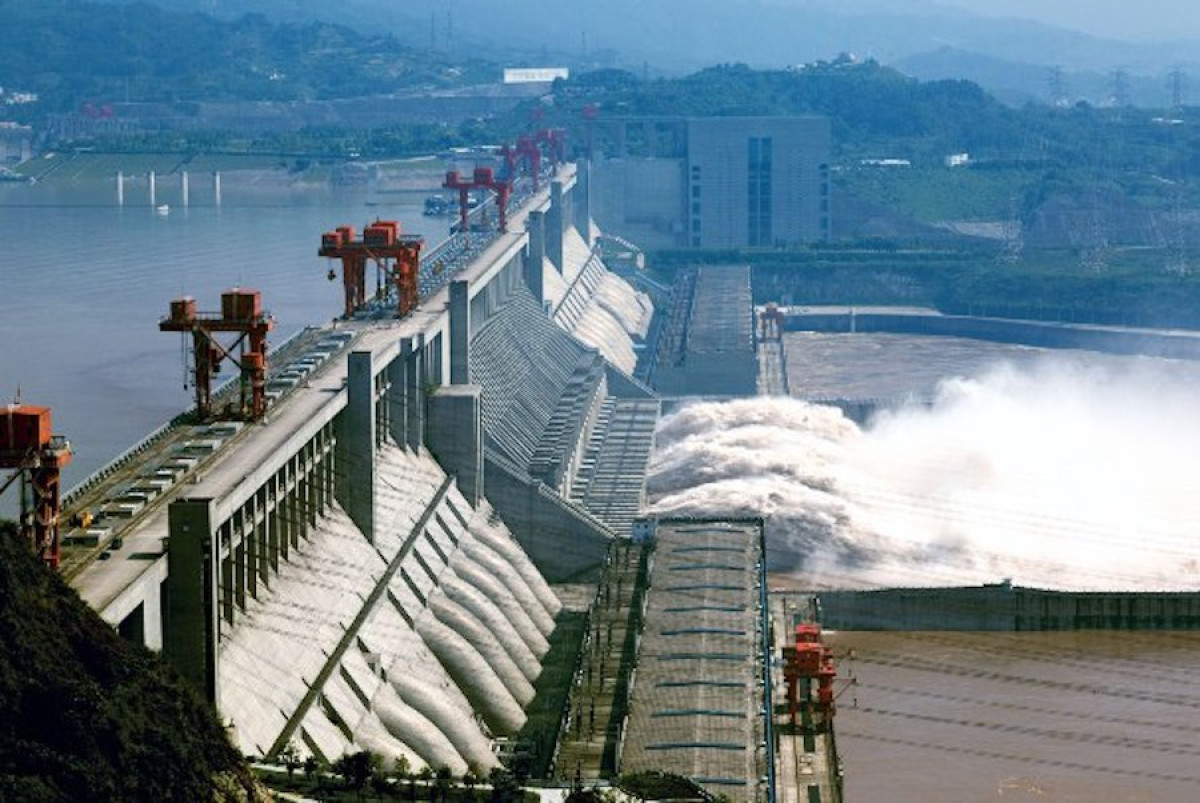


China has initiated the construction of what is expected to become the world’s largest hydroelectric dam, a monumental infrastructure project located near its southwestern border. While the development represents a significant milestone in China’s renewable energy ambitions, it has sparked growing apprehension in neighboring India, particularly due to the dam’s location on a river that flows into the Indian subcontinent.
The new dam is being built on the Yarlung Tsangpo River in Tibet, which becomes the Brahmaputra once it crosses into India. As one of the major rivers supporting agriculture, livelihoods, and biodiversity in northeastern India and Bangladesh, any large-scale development on its upper reaches carries geopolitical and environmental weight.
From China’s perspective, the project is aligned with national goals to expand its renewable energy capacity and reduce its reliance on coal. The country has made significant strides in hydropower, solar, and wind energy in recent years, and this new facility is intended to boost electricity production to support economic growth and regional development. Reports suggest that the dam could generate more electricity than the current world leader, the Three Gorges Dam, also located in China.
Nonetheless, the size and strategic position of this newly constructed dam have triggered concerns in India. Specialists and decision-makers are apprehensive about its potential effects on water security, especially in the downstream Indian state of Arunachal Pradesh. There is anxiety that China might exploit its upstream location to control water distribution, impacting irrigation, potable water supplies, and hydropower initiatives in India. In times of heightened tensions between the countries, water might serve as a tool for political leverage.
These concerns are not new. In the past, India has expressed unease over Chinese dam-building activities in the Himalayas, especially when information sharing and transparency are limited. While China maintains that its projects are run according to international standards and are not intended to harm downstream countries, India has pushed for more robust data-sharing agreements and environmental impact assessments.
Environmentalists also warn that damming the Yarlung Tsangpo could have serious ecological consequences. The river’s flow through steep gorges and remote ecosystems makes it one of the most biologically diverse and geologically dynamic areas in the world. Altering its course or volume could disrupt sediment transport, aquatic life, and the fragile habitats that depend on the river’s natural rhythm.
Moreover, this area frequently experiences seismic events. Building a large dam here raises worries about how earthquakes might affect the structure’s security. Previous hydroelectric ventures have shown that natural catastrophes can threaten dam stability, resulting in extensive destruction.
For India, the timing of the project also touches on broader geopolitical dynamics. With tensions between the two nations still simmering over border disputes, particularly in the Himalayan region, the dam project adds another layer of complexity. Strategic experts in India view the development not just through the lens of resource management but also as a potential tool for regional influence.
In response, Indian authorities are evaluating strategies to reduce possible threats. These involve improving local water management systems, broadening energy sources, and participating in diplomatic discussions intended to ensure clear and cooperative river management. India is also contemplating the growth of its hydropower initiatives in Arunachal Pradesh to boost its energy independence and influence in the area.
Beyond bilateral concerns, the construction of the dam touches on broader global issues such as transboundary water rights, climate adaptation, and sustainable development. As climate change continues to affect water availability and distribution, shared rivers like the Brahmaputra will become even more critical—and contested. Balancing national interests with regional cooperation will be essential to avoiding conflict and promoting mutual benefit.
China, for its part, continues to emphasize the economic and environmental advantages of the project. Officials argue that hydropower offers a low-emissions alternative to fossil fuels and contributes to China’s broader goal of reaching carbon neutrality. They also highlight the infrastructure benefits for local populations, including jobs, connectivity, and rural electrification.
However, analysts emphasize that massive dam projects come with trade-offs. Internationally, there is ongoing discussion regarding the enduring effects of large-scale dams, especially concerning displacement, environmental harm, and the erosion of cultural heritage. For nations situated downstream, the absence of enforceable global agreements on river management may expose them to vulnerabilities from decisions made upstream without their participation.
El proyecto Yarlung Tsangpo es más que un logro de ingeniería, es también una prueba diplomática. A medida que avanzan los trabajos en la presa, la atención se centrará cada vez más en cómo China interactúa con sus vecinos y aborda sus preocupaciones legítimas. La transparencia, el intercambio de información y la cooperación serán fundamentales para generar confianza y reducir las tensiones.
In the coming years, the importance of this dam is expected to increase. Traditionally viewed as a renewable and communal resource, water is now transforming into a strategic asset in Asia. With China and India facing challenges like population expansion, climate shifts, and developmental demands, the key will be to manage their shared watercourses not as instruments of power, but as essential resources that demand careful management, cooperation, and mutual respect.
While the ultimate configuration might set new benchmarks in energy generation, its enduring impact will rely as significantly on diplomatic efforts and ecological stewardship as on technical excellence.