
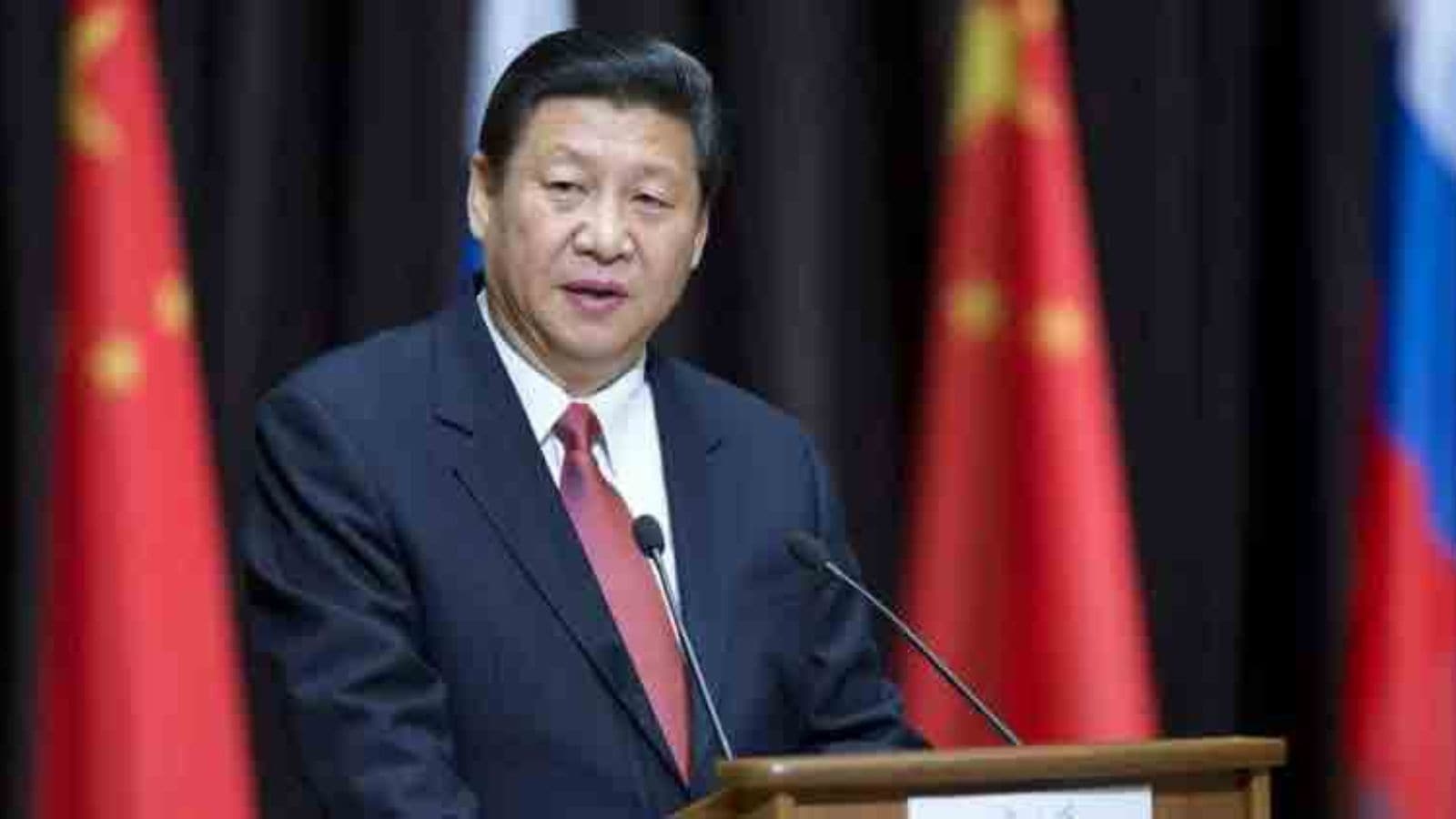


El panorama del comercio mundial ha entrado en otra fase turbulenta, mientras que Beijing ha criticado con dureza la reciente decisión de Washington de imponer altos aranceles a los productos que provienen de India. Esta medida, que establece un arancel del 50 por ciento sobre una variedad de exportaciones indias hacia los Estados Unidos, ha generado un amplio debate sobre el proteccionismo, la estrategia económica y el futuro de las relaciones comerciales internacionales.
China’s disapproval of the policy emerged quickly, presenting the choice as an illustration of what it calls “coercive strategies” in the worldwide economic framework. Chinese authorities assert that such actions compromise the ideals of fair competition and put the international market’s stability at risk. By focusing on a key trading partner like India, Beijing contends, the United States hazards initiating a domino effect that might exacerbate pressure on supply chains and harm developing economies that are already dealing with inflation challenges.
The imposition of tariffs on Indian goods is part of a broader U.S. effort to recalibrate trade relations in a world increasingly shaped by geopolitical rivalry and economic nationalism. American officials maintain that the decision aims to address concerns over trade imbalances, market access, and domestic industry protection. However, critics see it as another sign of a protectionist turn that could have far-reaching consequences for global commerce.
For India, this development presents a complex challenge. As one of the fastest-growing economies, the country has been working to position itself as a reliable manufacturing hub and a preferred alternative to China for global supply chains. The imposition of higher tariffs on its goods entering the U.S. market complicates this strategy, potentially reducing competitiveness in key sectors such as textiles, pharmaceuticals, and information technology services.
Economists caution that these levies may hinder the expansion of exports during a period when India aims to draw in international investment and enhance its presence in global trade. Although the Indian authorities have not yet provided an official reaction, experts imply that countermeasures or increased discussions might ensue. The possibility of the situation evolving into a comprehensive trade conflict remains, particularly if mutual agreement is not reached.
China’s outspoken disapproval of the U.S. decision goes beyond just supporting India; it highlights a more extensive criticism from Beijing regarding Washington’s trade strategies over recent years. Chinese officials contend that unilateral tariffs skew the globally governed trading system administered by entities like the World Trade Organization (WTO). According to Beijing, by circumventing multilateral systems in preference for direct economic influence, the United States weakens confidence among its trade partners and diminishes the collaborative ethos that has supported globalization for many years.
Moreover, experts from China highlight that actions of this nature have impacts that extend beyond the intended nations. As tariffs are elevated, the expenses of production go up, causing global supply chains—withstanding pandemic interruptions and geopolitical strains—to become even more unpredictable. For nations in the developing stage, which significantly depend on growth fueled by exports, the impact can be quite drastic.
From Washington’s perspective, the tariff increase serves a strategic purpose: shielding American businesses from what it views as unfair competition. U.S. officials contend that Indian products have benefited from market conditions that disadvantage American manufacturers, including lower labor costs and certain state-backed incentives. By imposing higher duties, they argue, the playing field becomes more balanced, allowing domestic industries to thrive.
This justification aligns with a broader trend in U.S. economic policy, where tariffs and trade restrictions are increasingly used as tools to pursue both economic and strategic objectives. Recent years have seen similar measures applied to Chinese goods, reflecting concerns over intellectual property, national security, and trade deficits. Extending this approach to India suggests that Washington is prepared to apply consistent pressure on all major trading partners to achieve its goals.
The disputes over these tariffs bring back old discussions regarding the stability of the global trade system. Entities such as the WTO were created to handle these conflicts and guarantee that trade regulations are uniformly enforced among countries. Nonetheless, when significant economies choose to act alone, the trust in these organizations is challenged.
Experts caution that if major economies persist in applying tariffs beyond agreed protocols, smaller countries might emulate this behavior, resulting in the breakdown of international trade. This situation would raise expenses for both businesses and consumers and obstruct initiatives aimed at recovering economically after the recent worldwide crises.
For India, the situation is particularly delicate. On one hand, the country values its growing economic relationship with the United States, which has become a key partner in trade, technology, and defense. On the other, New Delhi is wary of appearing too dependent on any single partner, especially as it seeks to maintain autonomy in an era of intensifying geopolitical rivalry.
India’s policymakers now face difficult choices. Should they engage in reciprocal tariffs, risking further escalation, or seek a negotiated settlement to preserve access to the lucrative U.S. market? The answer may depend on how both countries frame their long-term economic priorities and whether diplomatic dialogue can prevent a trade conflict from spiraling out of control.
This dispute cannot be viewed in isolation. It occurs against the backdrop of a shifting global order in which economic power is increasingly tied to strategic influence. Washington’s trade posture reflects its broader effort to strengthen domestic resilience while limiting the economic leverage of rising powers. Meanwhile, Beijing’s response highlights its ambition to position itself as a defender of multilateralism and a champion of developing nations’ interests.
For India, the path forward may involve deepening trade ties with other partners, accelerating free trade agreements, and boosting domestic competitiveness to offset the impact of tariffs. At the same time, maintaining a delicate balance between the U.S. and China will remain a central challenge in its foreign policy calculus.
Beyond diplomatic pronouncements and policy discussions, these tariffs will result in real impacts for both enterprises and purchasers. Indian exporters, especially small and medium-sized businesses, are confronted with the urgent issue of either bearing increased expenses or transferring them to clients—choices that may lead to a loss of market share. American importers, on the other hand, might deal with interruptions in supply and increasing costs, which will eventually influence consumers.
Global companies that rely on Indian supply chains could also experience higher operational costs, prompting them to reevaluate sourcing strategies. These adjustments, while gradual, could reshape trade flows in ways that influence everything from retail pricing to job creation in multiple countries.
The coming months will reveal whether this dispute escalates or gives way to negotiation. Much will depend on the willingness of both Washington and New Delhi to engage constructively and on the ability of international institutions to mediate effectively. Beijing’s involvement adds another layer of complexity, as China seeks to leverage its criticism of U.S. policy to reinforce its narrative of defending global fairness.
As the world watches, one thing is clear: the era of predictable trade relations is over. Tariffs, countermeasures, and strategic alliances are now central to the economic playbook of major powers. For businesses and policymakers alike, adaptability will be key to navigating an environment where economic decisions are inseparable from geopolitical considerations.