
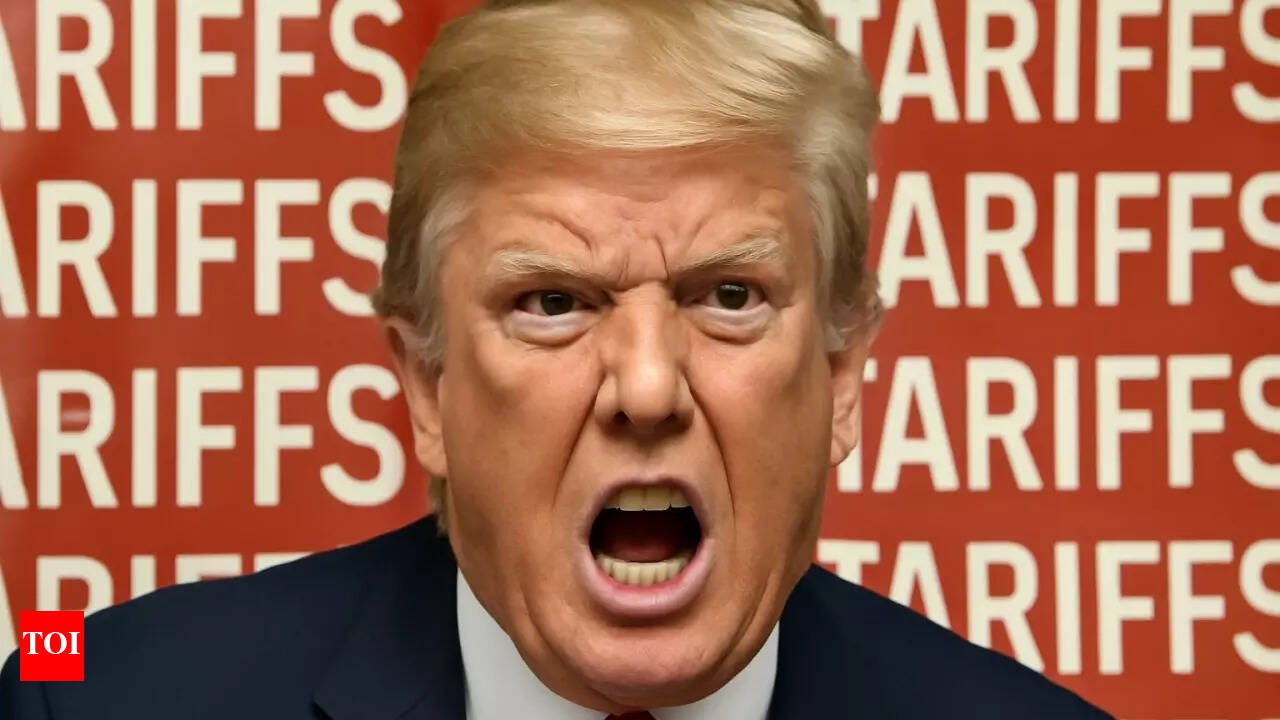


With merely three weeks left until the possibility of 50% tariffs being imposed on significant Indian exports to the United States, decision-makers in New Delhi are considering their strategic alternatives to prevent harmful economic effects. The impending cutoff date poses intricate diplomatic and financial hurdles for India, necessitating a thoughtful approach to managing global trade interactions.
The suggested increase in tariffs would mainly impact exports of steel and aluminum from India, industries that provide jobs to millions and play a crucial role in the nation’s manufacturing production. Experts in the field predict that the heightened tariffs might lower India’s export amounts to the U.S. by around $3.5 billion each year, causing a chain reaction across connected supply chains. The moment is especially critical as India’s economy is exhibiting indications of decelerating growth in major industrial areas.
Several potential approaches are being considered by Indian officials to avert the tariff increase. One option involves offering reciprocal market access concessions in specific sectors where American businesses have sought greater penetration of the Indian market. This could include reduced import duties on agricultural products or manufactured goods where U.S. producers maintain competitive advantages.
An alternative approach being considered aims to bolster mutual security cooperation to enhance overall diplomatic relations. Certain experts in international policy propose that improved military partnerships or shared intelligence agreements could foster goodwill, potentially affecting trade discussions positively. This strategy acknowledges the intertwined nature of today’s global relations, where economic and security matters often intersect.
One alternative route includes utilizing multilateral platforms to raise opposition to the suggested tariffs. India might pursue backing through World Trade Organization frameworks or gather other impacted countries to form a joint stance. Nonetheless, this plan entails potential drawbacks since it could be viewed as adversarial instead of cooperative in its method.
The Indian administration is contemplating internal policy modifications that could tackle a few of the fundamental issues leading to the U.S. tariff warning. These changes might involve revamping intellectual property safeguards, altering digital trade rules, or modifying pharmaceutical pricing strategies – all fields where American enterprises have raised issues about accessing the Indian market.
Industry leaders are urging the government to prioritize negotiations that would exempt certain high-value products from the proposed tariffs. The automotive components sector, which has developed sophisticated supply chains with U.S. manufacturers, is particularly vulnerable to disruptions from sudden tariff increases. Targeted exemptions could help preserve these mutually beneficial trade relationships while broader negotiations continue.
Economic analysts note that India’s options are constrained by several factors, including its current account deficit and the need to maintain foreign exchange reserves. While retaliatory tariffs remain a theoretical option, most experts caution against measures that could escalate into a full-blown trade war, given the importance of the U.S. market to Indian exports.
The next few weeks will demand careful negotiation as Indian representatives work to secure the nation’s economic priorities while considering U.S. apprehensions. Achieving success might hinge on pinpointing tangible, quantifiable compromises that can show advancement to American trade authorities, all while being acceptable in the local political arena.
Some trade specialists suggest that a phased agreement, with incremental concessions from both sides, might represent the most viable path forward. This approach could involve temporary exemptions or gradual implementation schedules that would give affected industries time to adjust while maintaining pressure for continued negotiations.
The result of these talks will have important effects beyond two-way trade statistics. How India manages this issue could impact its role as an economic leader in the region and have implications for upcoming trade discussions with other partners. The choices made in the next few days may determine the path of India’s trade policy for the foreseeable future.
With the deadline nearing, companies from both regions are getting ready with backup strategies. Indian sellers are looking into new market opportunities, while American buyers are assessing different supplier options, which could lead to lasting changes in trade dynamics, irrespective of the result of the current negotiations.
The scenario underscores the intricate dynamics of global commerce amid growing economic nationalism. For India, the task is to safeguard its economic interests while preserving fruitful ties with one of its key trade partners—a delicate balance that will challenge the expertise of its diplomatic and economic decision-makers in the crucial days to come.