
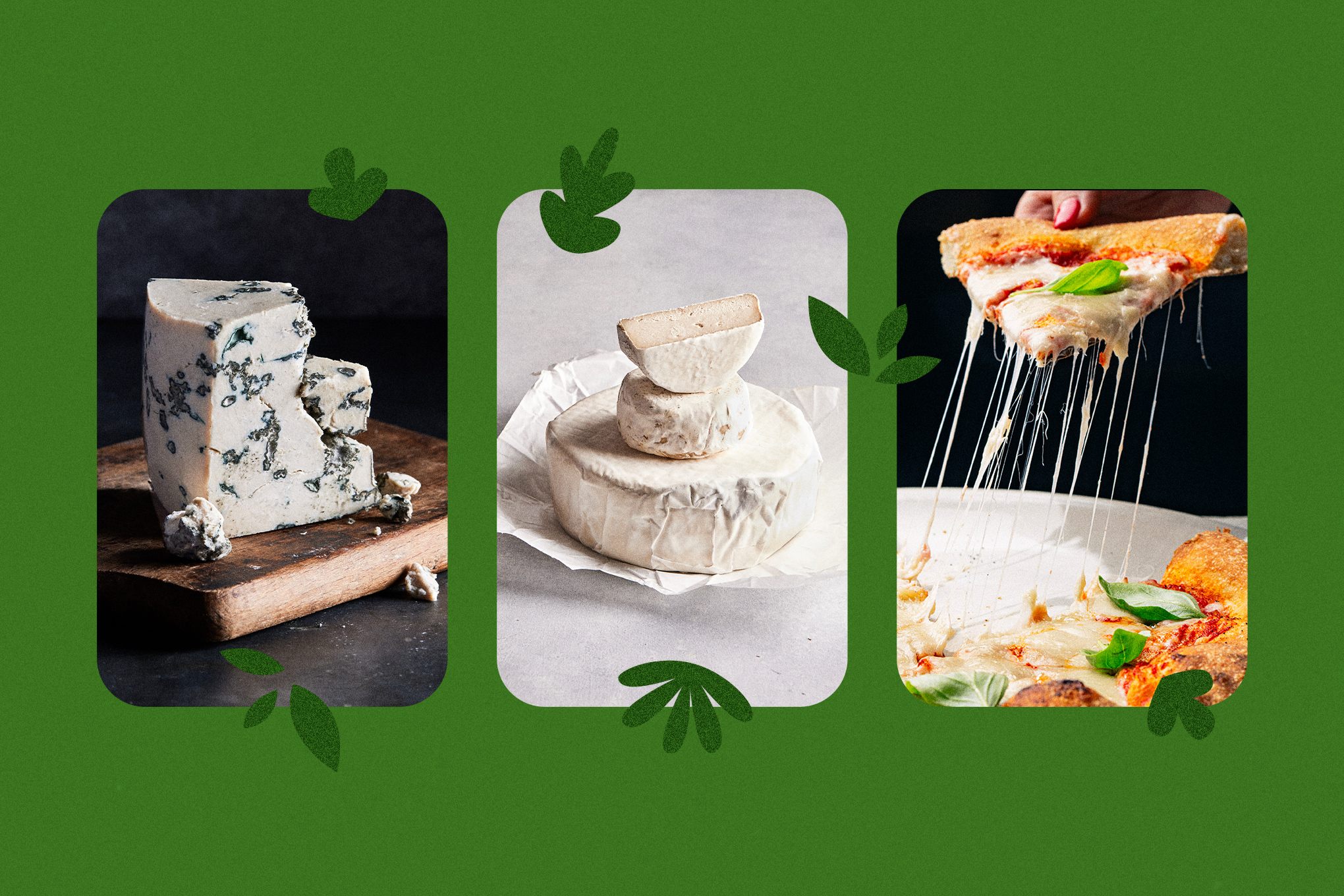


Cheese, with its deep cultural roots and sensory appeal, has long held a cherished place in diets around the world. Whether melted over pizza, paired with wine, or sliced onto a sandwich, it is one of the most beloved food items globally. But a quiet revolution in food science is introducing a new way to produce this familiar product—without the cow. Lab-grown, or more precisely, precision-fermented cheese is poised to enter the marketplace. Yet the key question remains: will consumers accept it?
Unlike plant-based cheeses that rely on nuts, oils, and starches to mimic texture and flavor, lab-grown cheese is created using the same proteins found in traditional dairy. Through a process known as precision fermentation, scientists program microorganisms like yeast to produce casein and whey, the essential proteins in milk. These proteins are then combined with fats and other ingredients to create a product that aims to replicate conventional cheese not just in taste and texture but also in meltability and nutritional value.
This advancement in technology is a component of a broader transformation in the food sector, where sustainability, ethical practices, and innovation align. Lab-cultivated cheese—commonly classified under the label of animal-free dairy—holds the potential to lower greenhouse gas emissions, save water resources, and remove the necessity for animal farming. As per scientists and businesses leading the way in this field, these advantages might establish lab-produced dairy products as a practical substitute for conventional production techniques, especially as worldwide demand for dairy grows.
Yet despite its promise, the path to widespread consumer acceptance may not be straightforward. Food is as much about tradition and perception as it is about ingredients. Surveys have shown that while environmentally conscious and health-aware consumers express curiosity about lab-grown foods, many remain hesitant, especially when the production methods sound unfamiliar or overly scientific. Words like «engineered,» «synthetic,» or «fermented by microbes» can unintentionally conjure images of unnatural processes—even if the science behind them is sound and safe.
One of the most important elements in overcoming skepticism will be education. Industry experts and food scientists agree that consumers need clear, transparent information about how lab-grown cheese is made, what it contains, and how it compares nutritionally and environmentally to traditional dairy. For many, understanding that precision fermentation has been safely used for decades—for example, in the production of insulin or rennet for cheese-making—can help normalize the idea.
Another possible benefit is the allergen-free nature of lab-produced dairy. As the method does not use animal milk, it creates opportunities for lactose-free or cow-free dairy items that maintain the complete protein composition and functional traits of conventional cheese. This might be especially significant for people with lactose intolerance, dairy allergies, or ethical issues relating to animal welfare.
Taste, of course, will be the ultimate deciding factor. While plant-based cheeses have made progress, many consumers still report that they fall short in flavor and texture. Lab-grown cheese, by reproducing the exact dairy proteins responsible for cheese’s stretch, melt, and mouthfeel, aims to close that gap. Some early testers of prototype cheeses created using precision fermentation have noted impressive results, with products closely mimicking cheddar, mozzarella, and cream cheese in both form and flavor.
The regulatory landscape will also play a critical role in determining how quickly lab-grown cheese can reach grocery store shelves. In the United States, companies must navigate the Food and Drug Administration’s (FDA) safety review process. Some animal-free dairy proteins have already received «Generally Recognized as Safe» (GRAS) status, clearing the way for them to be used in commercial food production. Still, each new product and formulation requires careful review, particularly when introducing novel ingredients to the public.
Meanwhile, labeling remains a contentious issue. Traditional dairy producers argue that terms like “milk” or “cheese” should be reserved for products derived from animals. In contrast, advocates for lab-grown dairy believe that familiar language helps consumers understand the product category and its intended use. Ongoing debates over terminology may shape not only how these products are marketed, but how they are perceived.
Globally, a few startups have already begun limited launches of lab-grown dairy products in select markets, often in partnership with restaurants or specialty retailers. These controlled rollouts allow companies to gather feedback, refine formulations, and gauge consumer interest before attempting mass distribution. As more players enter the field, competition could drive innovation and bring prices closer to parity with traditional cheese—currently one of the biggest barriers to accessibility.
Additionally, there is a wider philosophical discussion developing concerning the emergence of synthetic biology in the food industry. Some individuals view lab-created products as a positive step forward towards a more sustainable and ethical food system. However, others are worried about issues such as corporate dominance over food supply, possible health repercussions, and the decline of conventional agricultural methods. These viewpoints will undoubtedly influence public conversation as lab-produced foods become increasingly prevalent.
Despite these complexities, the momentum behind lab-grown cheese continues to build. Backed by venture capital and supported by technological breakthroughs, the industry is progressing from laboratory concept to commercial reality. As it does, it challenges both producers and consumers to rethink what defines “real” food, how we feed a growing population, and what values we prioritize when choosing what to eat.
At this moment, it remains unclear if cheese produced in a laboratory will become a common part of daily meals. This will largely hinge on factors such as openness, cost-effectiveness, and its ability to satisfy the taste preferences of selective cheese enthusiasts. However, one certainty is that the future of cheese—and the food industry in general—is broadening in directions that would have been unimaginable just ten years ago.
As lab-grown cheese begins to appear on menus and, eventually, supermarket shelves, the decision to embrace it will rest not just on facts or figures, but on emotion, tradition, and trust. The challenge for this new frontier in food is not just creating something scientifically sound—but making it culturally accepted, culinarily satisfying, and undeniably delicious.