
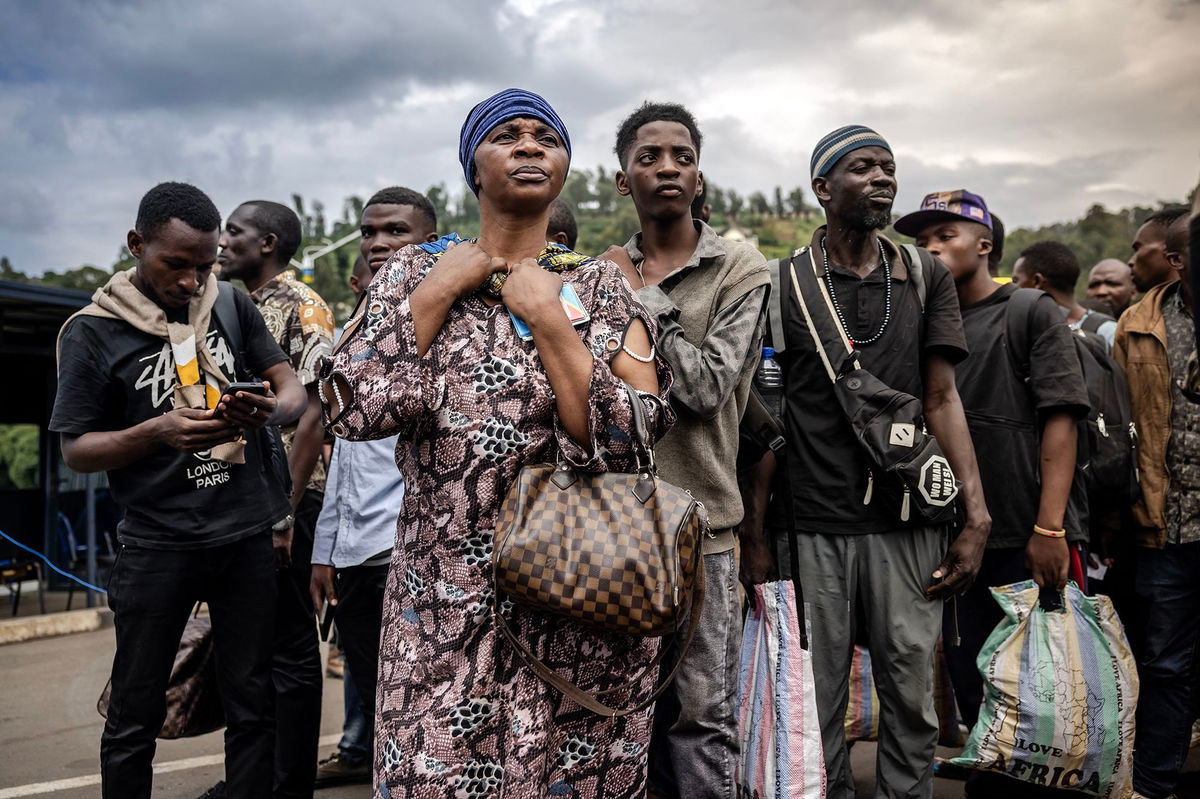


A new peace deal between a pair of African nations has created cautious hope throughout the area, signaling a possible conclusion to years of warfare and diplomatic strain. Although the agreement has been well-received by numerous individuals as progress towards stability, doubts persist regarding the feasibility of achieving a durable peace. Introducing an unforeseen aspect to the situation is former U.S. President Donald Trump’s claim that his administration’s past actions merit recognition for the achievement—an assertion that has prompted varied responses.
The peace agreement, finalized after extensive talks, seeks to conclude a long-standing dispute that has caused the displacement of many, hindered economic stability, and inflicted significant trauma on both countries. The agreement emphasizes restoring diplomatic relations, opening borders, and collaborating on crucial matters like security, commerce, and humanitarian initiatives. While specifics are sparse, the accord has been praised as a diplomatic achievement by mediators and global observers who have consistently worked to promote communication between the two nations.
Former President Trump, whose administration played a role in facilitating discussions between the two nations during his time in office, has publicly claimed that his leadership helped lay the groundwork for the current peace process. Trump has pointed to his administration’s foreign policy initiatives, which emphasized unconventional approaches to international diplomacy, as instrumental in encouraging dialogue between the parties.
Trump’s desire for recognition stems in part from his administration’s broader efforts to broker peace agreements globally, including normalization deals between Israel and several Arab nations. His supporters argue that these foreign policy accomplishments have been underappreciated and that the current African peace agreement is a continuation of those successes.
However, some analysts and regional experts caution against overstating the role of any one foreign actor in what is, at its heart, a locally driven process. While international mediation and pressure can help create the conditions for dialogue, the willingness of the nations themselves to move toward reconciliation is the most critical factor. Local political realities, historical grievances, and domestic pressures often shape peace efforts far more than outside influence.
Additionally, while the signing of a peace agreement is undeniably significant, achieving and maintaining lasting peace involves more than formal declarations. Implementation, trust-building, and addressing the root causes of conflict—such as ethnic tensions, resource disputes, and governance challenges—will determine whether the deal can bring genuine stability. Some observers warn that underlying issues remain unresolved and that the agreement could falter without sustained commitment and transparency from both sides.
Humanitarian groups have also highlighted the importance of including civil society, community leaders, and displaced populations in the peace process. Without the active participation of those most affected by conflict, there is a risk that the agreement could be seen as superficial or imposed from the top down, rather than reflecting the will of the people.
Concerns have also been raised about the potential for political opportunism. In some cases, peace agreements have been used by political elites to consolidate power or sidestep deeper reforms, leading to fragile arrangements that collapse under renewed tensions. For this reason, international actors, including the United Nations and the African Union, have emphasized the need for continued monitoring, support for democratic governance, and long-term development assistance.
The role of the United States in African diplomacy has often been characterized by a mix of strategic interest and intermittent engagement. Under Trump’s presidency, foreign policy in Africa received less sustained attention compared to other regions, though individual initiatives—such as fostering trade agreements and mediating specific disputes—were pursued. Critics of Trump’s foreign policy argue that it lacked coherence and depth, while supporters maintain that his transactional approach yielded tangible results in some cases.
The recent peace agreement emerges as global powers like China, Russia, and the European Union are becoming more engaged in Africa, investing heavily in infrastructure, energy, and security. Consequently, the U.S.’s involvement in promoting regional peace is now seen in the context of wider geopolitical rivalry. This situation prompts discussions on how external entities can best assist African-driven solutions without fostering reliance or weakening local autonomy.
Considering the latest peace pact, diplomatic experts emphasize maintaining progress beyond the ceremonial endorsement. Practical actions—like demilitarizing, fostering economic partnerships, and meeting the demands of displaced populations—are essential to convert political accords into real benefits for regular individuals. Initiatives for reconstructing infrastructure, resuming public amenities, and promoting economic development will be vital to thwart the recurrence of hostilities.
Public reaction within the two nations has been mixed. While some citizens have expressed relief and hope that the agreement could bring an end to years of suffering, others remain skeptical, shaped by past experiences of failed truces and broken promises. In regions that have borne the brunt of the violence, rebuilding trust between communities is expected to be one of the greatest challenges.
International entities have committed to backing the peace initiative by providing technical support, humanitarian assistance, and development funds. Nonetheless, those involved in aid efforts highlight that the effectiveness of these agreements relies on local governance and leadership instead of depending on outside parties.
Regarding Trump’s attempt to gain acknowledgment, it mirrors the wider political tendencies of establishing a legacy that frequently accompany significant global events. Although past leaders may emphasize their roles, the truth about building peace is that it seldom stems from a single administration or person. Effective agreements usually arise from years—or even decades—of discreet diplomacy, community-driven efforts, and changing political resolve.
The situation also underscores the complexity of measuring success in international relations. A signed agreement is an important milestone, but the true test lies in its durability over time. As history has shown in numerous conflict zones, peace is not just declared—it must be continuously negotiated, nurtured, and defended.
While the peace deal between the two African nations offers a promising path forward, the journey toward lasting reconciliation remains uncertain. Former President Trump’s call for recognition reflects one facet of the diplomatic story, but local realities, sustained effort, and the resilience of the communities affected will shape the deeper challenges ahead. As the world watches the next steps unfold, the focus will rightly remain on whether this fragile peace can endure and deliver meaningful change for those who have long suffered from conflict.