
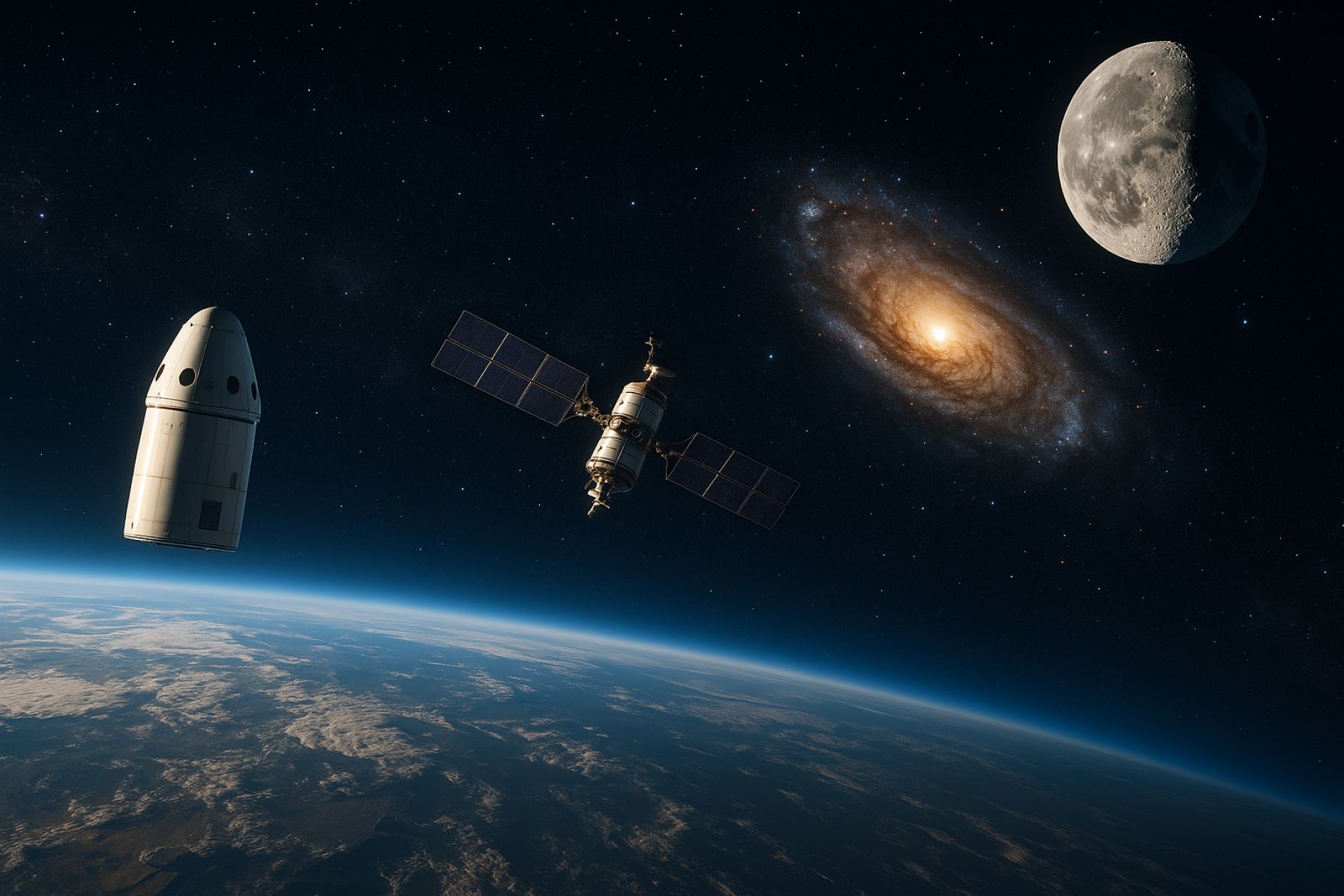


The recent disappearance of an $88 million satellite intended to track pollution levels from space has raised concerns among scientists and environmental advocates. Launched to provide valuable data on air quality and greenhouse gas emissions, the satellite unexpectedly lost communication shortly after deployment, leaving its mission in jeopardy.
The satellite was specifically designed to offer precise measurements of pollutants and carbon emissions from industrial activity, transportation, and other human-made sources. Its absence represents a significant setback for ongoing efforts to monitor climate change and develop strategies for reducing harmful emissions. The data it was meant to gather would have contributed to global climate models, informed environmental policies, and supported international agreements aimed at mitigating environmental damage.
Launched with high hopes, the satellite carried advanced instruments capable of detecting various pollutants in the atmosphere, including nitrogen dioxide, methane, and fine particulate matter. This information would have allowed researchers to better understand the sources and impacts of pollution, helping nations to target specific areas for intervention. Without this crucial data, the scientific community faces delays in gathering real-time information essential for tracking environmental progress and holding polluters accountable.
Space agencies and technical teams are working diligently to re-establish communication with the satellite, but the outlook remains uncertain. If the satellite cannot be recovered, the loss would not only represent a financial blow but also hinder scientific advancement in the realm of atmospheric studies. Satellites play an essential role in environmental monitoring by providing comprehensive, up-to-date information that ground-based sensors alone cannot achieve.
This occurrence underscores the intricacies and natural hazards of exploring space and setting up satellites. Although observing from orbit has turned into an essential resource for environmental research, technical issues and unpredictable incidents still present obstacles. The failure to establish contact with the satellite emphasizes the need for redundancy and backup arrangements to make sure vital missions can endure unanticipated difficulties.
The satellite was designed primarily to contribute to the worldwide efforts against climate change by delivering an accurate, unbiased view of how human actions affect the atmosphere. Its advanced sensors were intended to track emission trends over time, offering valuable information on the success of environmental policies and clean energy programs. By collecting comprehensive images and data from space, the satellite was expected to provide an unmatched vantage point on pollution, aiding the expanding research needed for informed policy-making.
In addition to tracking pollutants, the satellite was also expected to monitor the effects of wildfires, industrial accidents, and natural disasters that release harmful substances into the atmosphere. With climate change increasing the frequency and severity of such events, real-time data from space has become indispensable for rapid response and mitigation efforts. The sudden silence of this satellite leaves a notable gap in this capability, potentially limiting the speed and precision with which environmental agencies can respond to crises.
The loss of contact is a stark reminder that despite technological advances, space missions remain vulnerable to failure. The stakes are particularly high when missions are tied to urgent global challenges such as air pollution and climate change. While ground stations and other satellites may partially fill the data gap, the specific capabilities of this missing satellite were uniquely valuable.
Environmental organizations and climate researchers have expressed disappointment over the setback, emphasizing the importance of continued investment in earth observation technologies. Such satellites not only advance scientific knowledge but also provide the transparency needed to hold industries and governments accountable for their environmental impact. Reliable and accurate data from space is essential for crafting effective environmental policies and for international cooperation on pressing global issues.
The disappearance of this pollution-tracking satellite may prompt a reevaluation of current strategies in satellite design and deployment. Engineers may be encouraged to adopt more resilient technologies, diversify data sources, and develop quicker contingency plans for future missions. Meanwhile, the scientific community must adapt to the temporary absence of this critical data stream, relying on existing networks and alternative technologies to continue the essential work of monitoring the planet’s atmosphere.
In a wider perspective, this event highlights the link between astronomy, environmental science, and governmental strategy. As the planet contends with climate change and air quality issues, the instruments employed to assess advancements—or the absence of them—are becoming more crucial. Observations from space continue to be one of the most efficient methods to obtain a complete grasp of worldwide environmental shifts, and incidents like this emphasize both the opportunities and the difficulties involved in depending on sophisticated technology for this aim.
As attempts to re-establish contact with the satellite go on, there remains optimism that communication might be resumed. No matter the result, the mission highlights the essential role of technology in tackling environmental problems and the necessity for ongoing innovation and perseverance when confronted with obstacles.